Understanding Insulation Gaskets: A Comprehensive Guide
Insulation gaskets are crucial components in a wide range of industrial applications, playing a vital role in maintaining efficiency, safety, and preventing costly downtime. These gaskets provide a sealing solution while simultaneously offering thermal and acoustic insulation. This article will delve into the various aspects of insulation gaskets, including their materials, applications, benefits, and factors to consider when selecting the right gasket for your needs. Ensuring optimal sealing and insulation is essential for maximizing performance and minimizing energy loss.
What Are Insulation Gaskets and Why Are They Important?
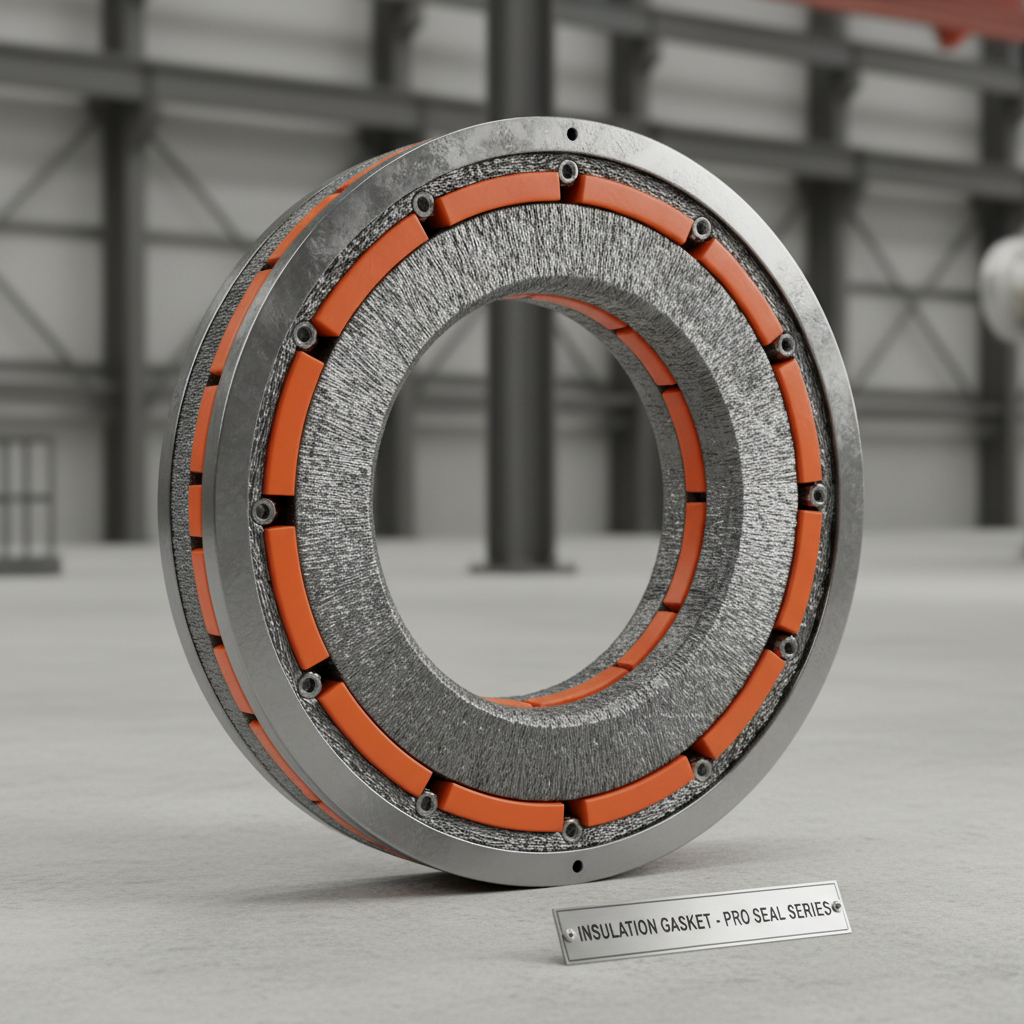
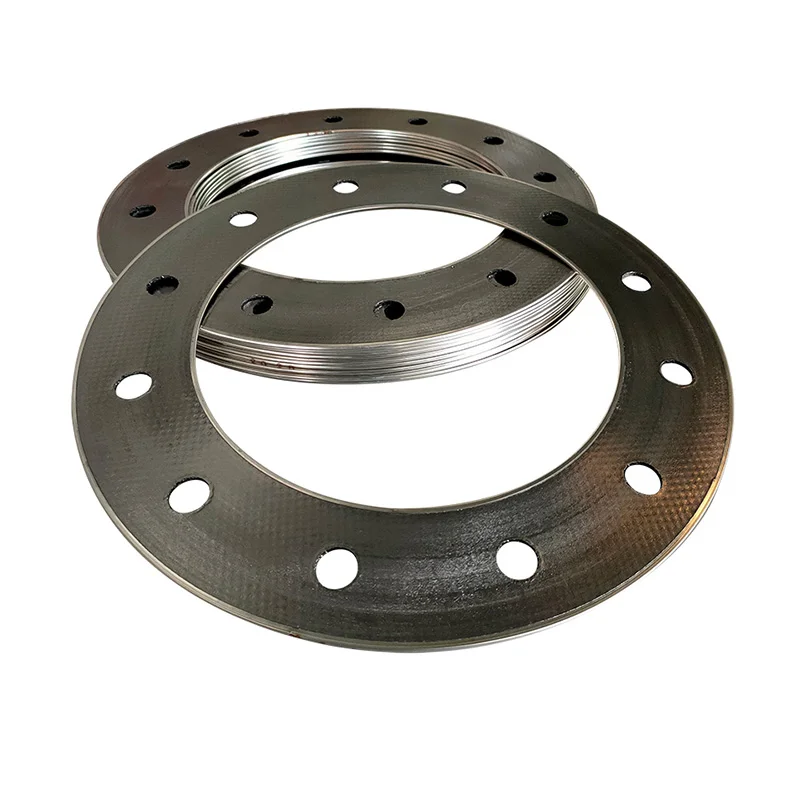
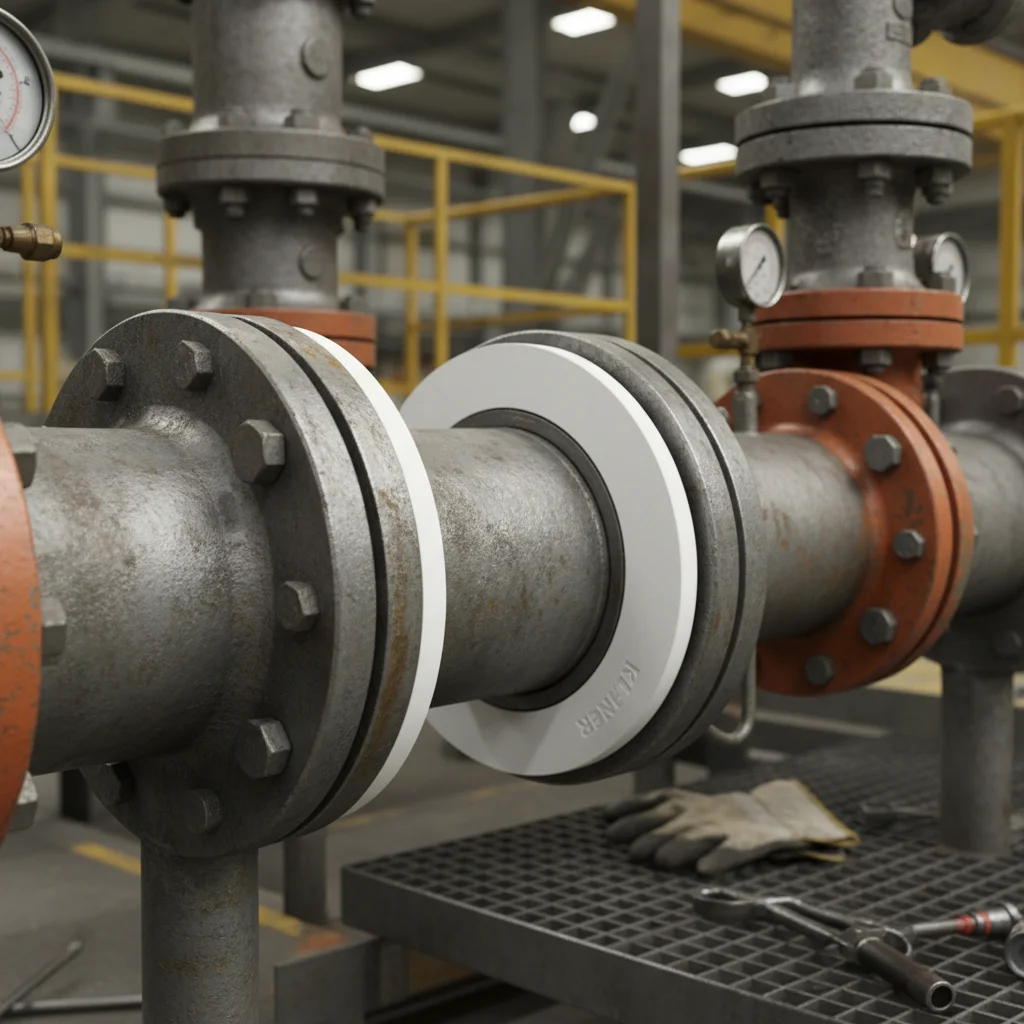
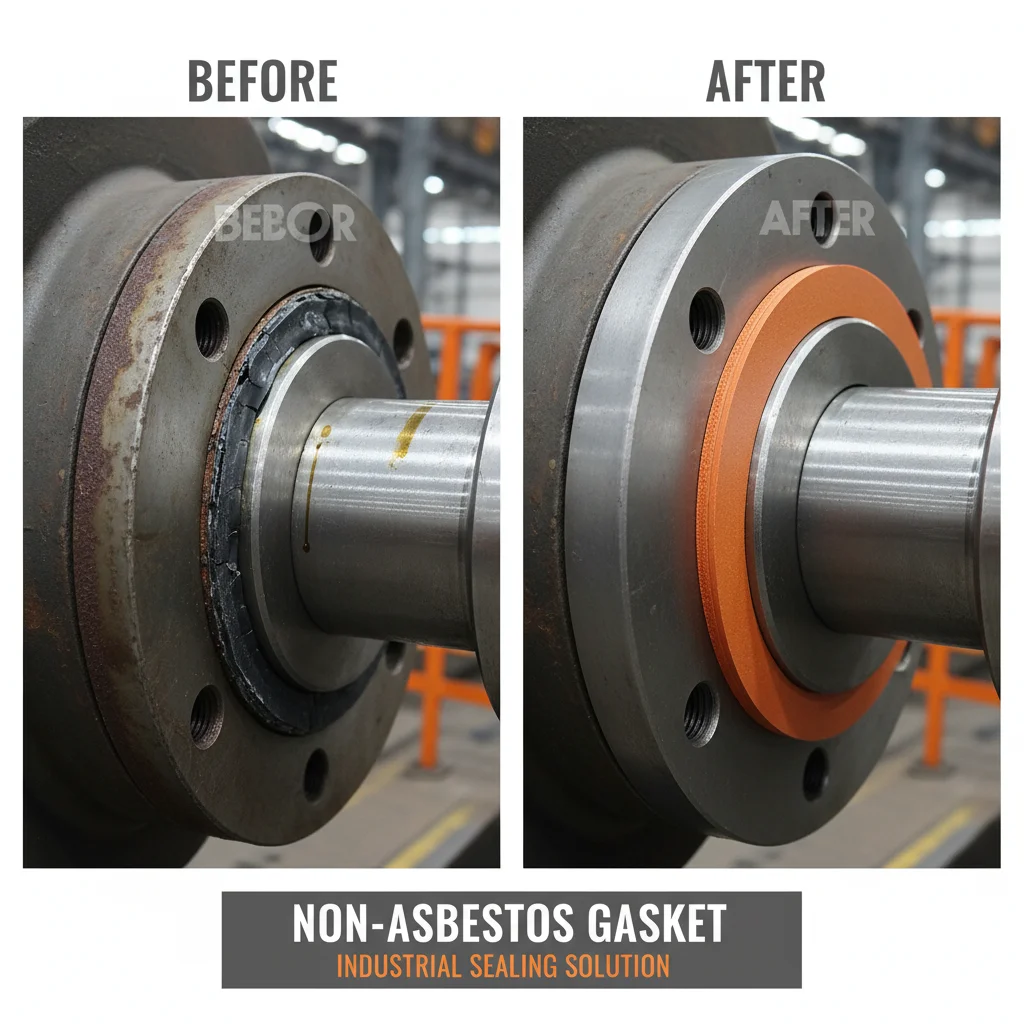
An insulation gasket is a sealing element designed to create a barrier between two surfaces while simultaneously providing thermal and/or acoustic insulation. Unlike standard gaskets focused solely on sealing, insulation gaskets incorporate materials that minimize heat transfer or reduce noise transmission. Their importance stems from a variety of benefits, including increased energy efficiency, reduced operating costs, improved safety, and enhanced equipment performance. They are frequently used in applications where temperature control or noise reduction is critical.
Key Benefits: Increased energy efficiency, reduced operating costs, improved safety, and enhanced equipment performance.
Common Materials Used in Insulation Gaskets
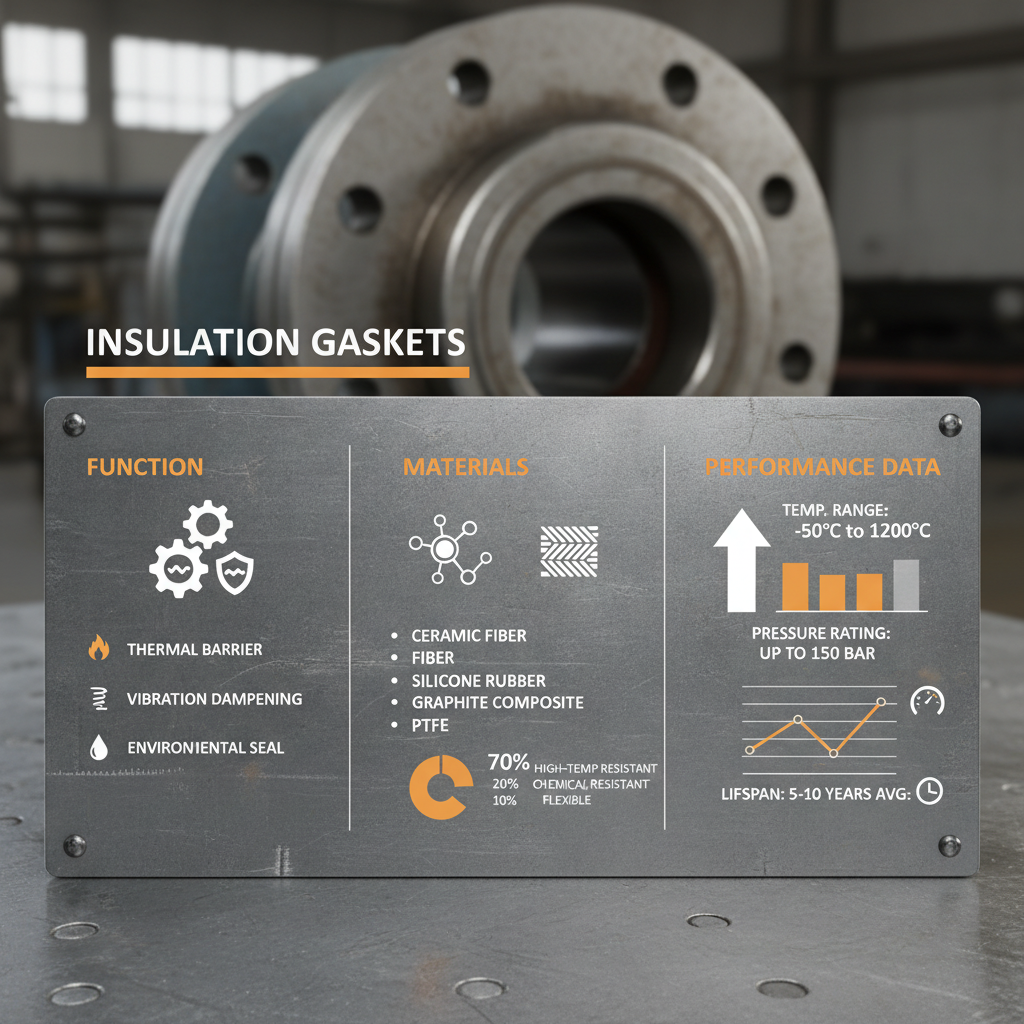
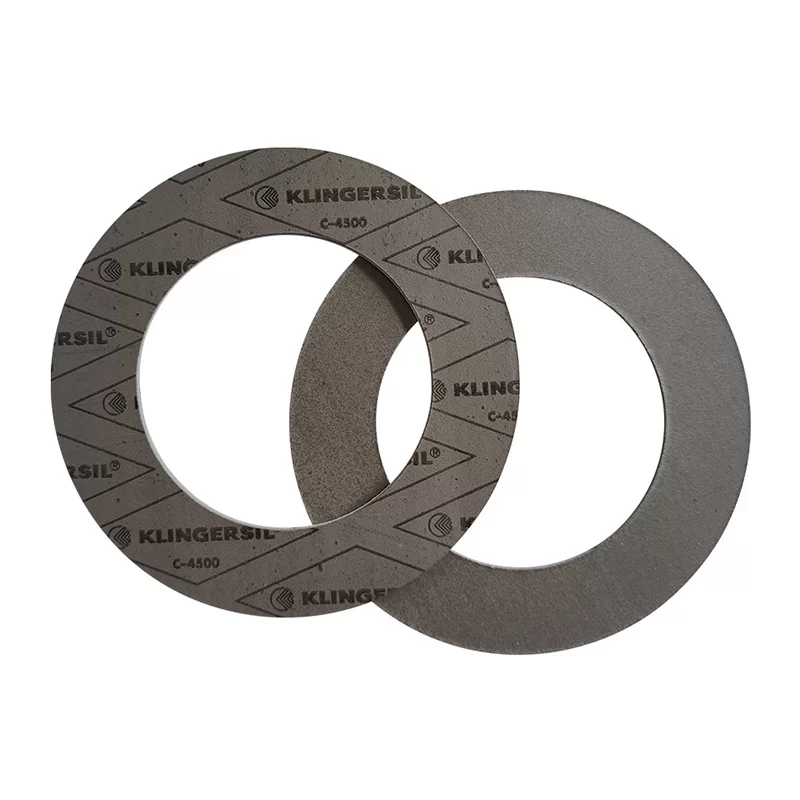
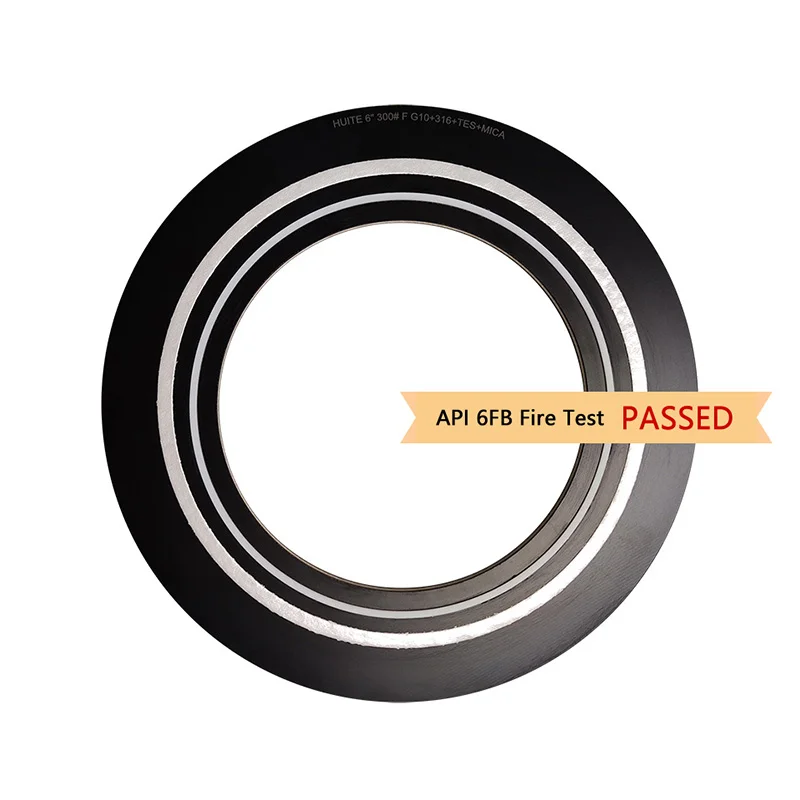
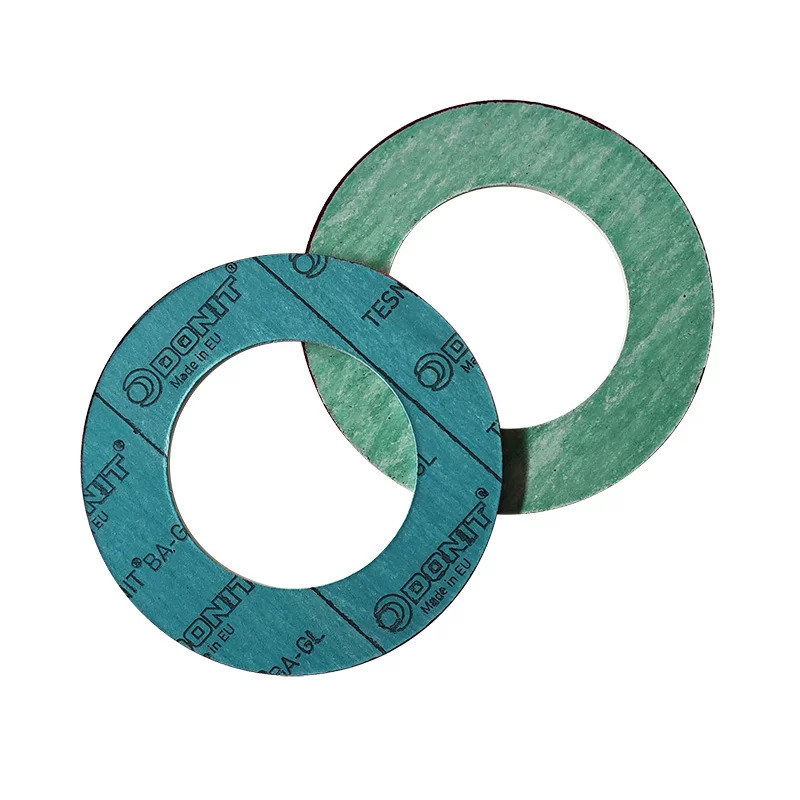
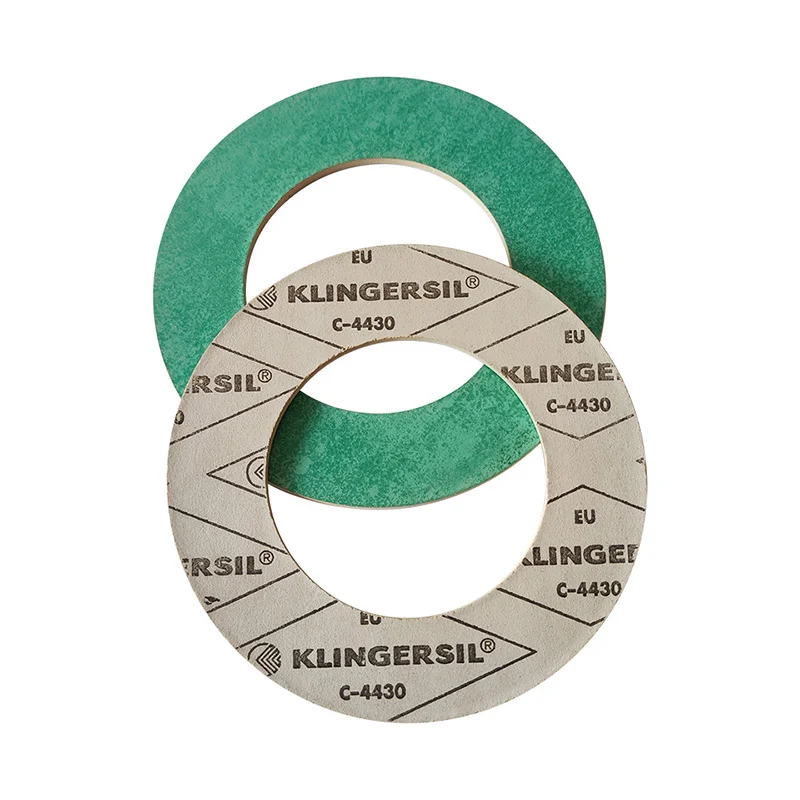
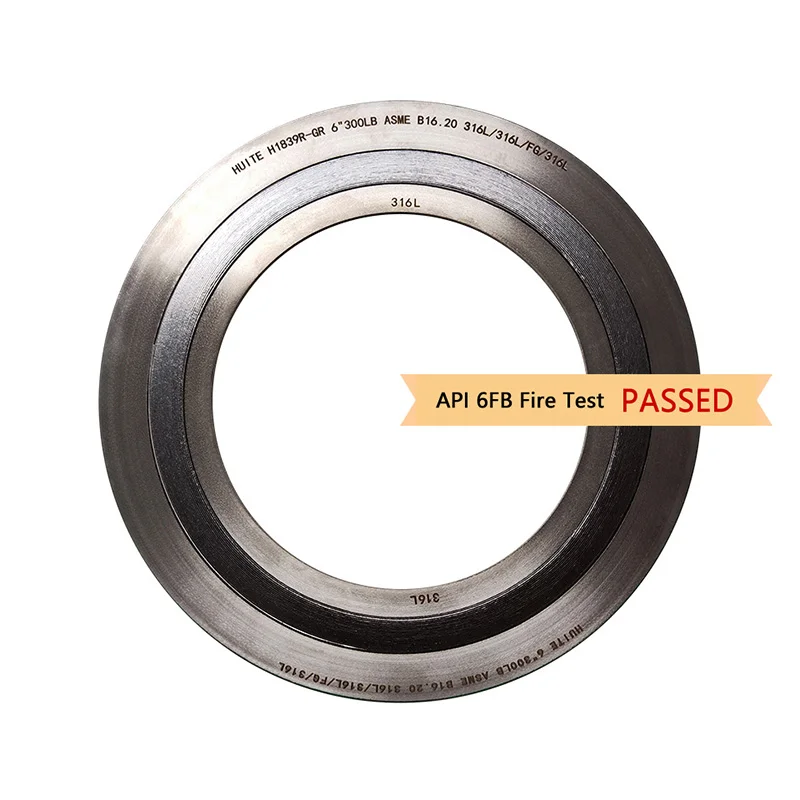
A wide range of materials are used in the production of insulation gaskets, each offering unique properties and suitability for different applications. Common materials include: Rubber (EPDM, Silicone, Neoprene), Cork, Fiber (Fiberglass, Aramid), and Foam (Polyurethane, Polyethylene). The selection of the appropriate material depends on factors such as temperature range, pressure requirements, fluid compatibility, and desired level of insulation. HTMF specializes in custom-designed gaskets utilizing these materials.
Material Considerations:
• Temperature Range: Ensure the material can withstand the operating temperature.
• Fluid Compatibility: Verify the material is compatible with the fluids it will contact.
• Pressure Requirements: Choose a material that can handle the operating pressure.
• Desired Insulation Level: Select a material with appropriate thermal or acoustic properties.
Insulation Gasket Applications Across Industries
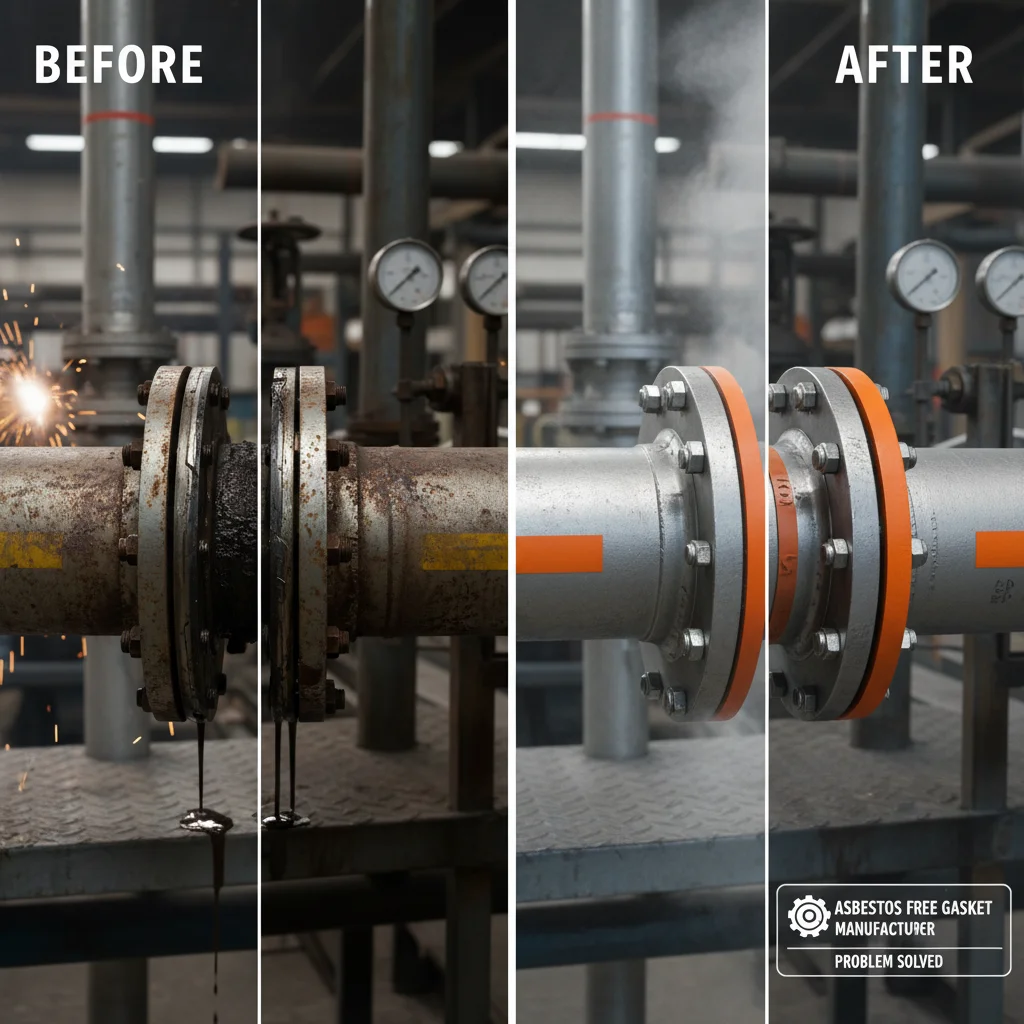
Insulation gaskets find application in a diverse range of industries, including: Automotive (exhaust systems, engine components), HVAC (ductwork, compressors), Electrical (motor housings, transformers), Aerospace (engine nacelles, cabin insulation), and Industrial Manufacturing (flanges, pumps). Their ability to seal and insulate makes them essential for maintaining efficiency and preventing energy loss in these critical applications. Properly selected gaskets contribute significantly to reducing noise pollution, improving safety, and extending the lifespan of equipment.
| Industry |
Application |
Typical Material |
| Automotive |
Exhaust Systems, Engine Components |
Silicone, EPDM |
| HVAC |
Ductwork, Compressors |
Foam, Cork |
| Electrical |
Motor Housings, Transformers |
Fiberglass, Rubber |
| Industrial Manufacturing |
Flanges, Pumps |
Neoprene, EPDM |
Factors to Consider When Selecting an Insulation Gasket
Choosing the right insulation gasket requires careful consideration of several factors. These include the operating temperature, pressure, chemical compatibility, and the desired level of insulation (thermal or acoustic). The gasket’s geometry, including thickness and width, must also be appropriate for the specific application. It’s crucial to consult with a gasket specialist, such as HTMF, to ensure optimal performance and longevity.
Conclusion: Optimizing Performance with the Right Insulation Gasket
Insulation gaskets are vital components for ensuring efficient, safe, and reliable operation across a multitude of industries. By understanding the different materials available, their applications, and key selection factors, you can optimize your equipment's performance and minimize operational costs. HTMF offers a wide range of custom-designed insulation gaskets to meet your specific needs. Investing in high-quality gaskets is a proactive step towards enhancing overall system efficiency and prolonging equipment lifespan.
Frequently Asked Questions (FAQs)
What is the difference between a standard gasket and an insulation gasket?
While both standard and insulation gaskets provide a seal between surfaces, insulation gaskets go a step further by incorporating materials that minimize heat transfer or reduce noise transmission. Standard gaskets primarily focus on preventing leaks, while insulation gaskets prioritize both sealing and thermal or acoustic insulation. This added functionality makes insulation gaskets ideal for applications where temperature control or noise reduction is critical.
How do I determine the correct thickness for my insulation gasket?
The correct gasket thickness depends on several factors, including the surface imperfections of the mating flanges, the operating pressure, and the desired level of compression. Generally, a thicker gasket will provide a better seal and greater insulation, but excessive thickness can lead to over-compression. Consulting with a gasket expert, like the team at HTMF, is highly recommended to determine the optimal thickness for your application.
Can insulation gaskets be used in high-pressure environments?
Yes, insulation gaskets can be used in high-pressure environments, but the appropriate material selection is crucial. Materials like reinforced rubber or fiber gaskets are often used for high-pressure applications. The gasket's design and thickness must also be carefully considered to ensure it can withstand the operating pressure without failure. It’s essential to consult with a gasket specialist to determine the best material and design for your specific pressure requirements.
What is the lifespan of an insulation gasket?
The lifespan of an insulation gasket varies depending on the material, operating conditions, and frequency of use. Regular inspection for signs of wear, such as cracks, compression set, or chemical degradation, is crucial. Typically, gaskets should be replaced every 1-3 years, or sooner if damage is detected. Harsh chemicals, extreme temperatures, and high pressures can shorten the lifespan of the gasket.