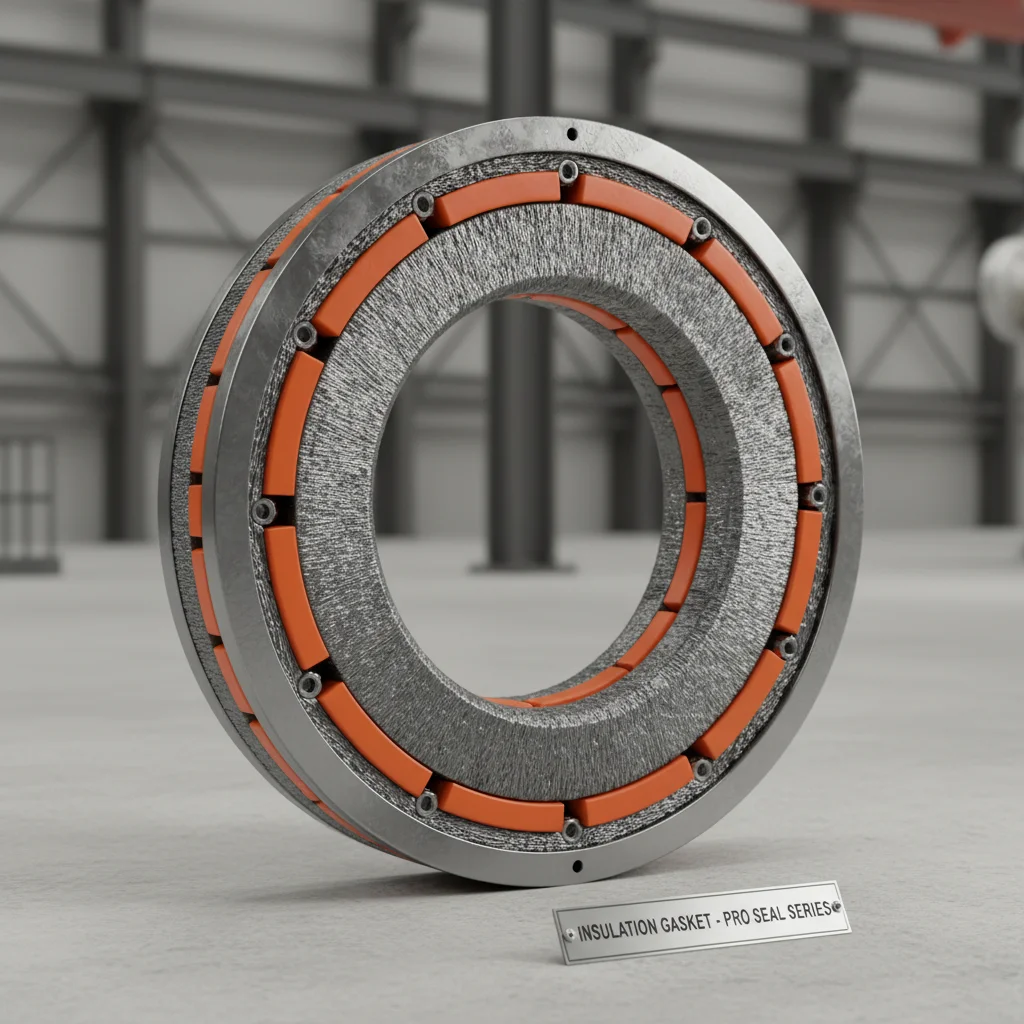
Understanding Modified PTFE Gaskets: A Comprehensive Guide
In a multitude of industries, from chemical processing to automotive manufacturing, maintaining a secure and reliable seal is critical. Modified PTFE gaskets are often the solution, offering exceptional resistance to chemicals, extreme temperatures, and high pressures. This article delves into the composition, properties, applications, and benefits of these specialized gaskets. We’ll explore why they are a preferred choice for demanding sealing environments and how to select the right gasket for your specific needs.
What are Modified PTFE Gaskets?
Standard PTFE (Polytetrafluoroethylene) is renowned for its chemical inertness and low friction. However, it exhibits creep – a tendency to deform under sustained load – which can compromise sealing performance. Modified PTFE gaskets address this limitation by incorporating fillers such as glass fibers, carbon, graphite, or bronze into the PTFE matrix. These fillers enhance the mechanical strength, reduce creep, and improve dimensional stability, making the gaskets suitable for applications requiring high precision and long-term reliability. The type of filler used dictates the gasket’s specific properties and optimal applications.
Key Benefits: Enhanced mechanical strength, reduced creep, improved dimensional stability, excellent chemical resistance, wide temperature range.
The Impact of Fillers on PTFE Gasket Performance
The selection of filler material is crucial in determining the properties of a modified PTFE gasket. Different fillers offer varying advantages, influencing characteristics such as pressure capacity, temperature resistance, and friction. For example, glass-filled PTFE provides excellent dimensional stability and is suitable for applications with moderate pressures. Carbon-filled PTFE offers enhanced thermal conductivity and is ideal for high-temperature environments. Bronze-filled PTFE demonstrates superior wear resistance. Choosing the appropriate filler ensures optimal performance in the intended application.
Filler Material Comparison:
• Glass Fiber: Excellent dimensional stability, moderate pressure.
• Carbon: High thermal conductivity, high temperature resistance.
• Bronze: Superior wear resistance, increased compressive strength.
• Graphite: Self-lubricating properties, high temperature resistance.
Modified PTFE Gasket Applications
The versatile properties of modified PTFE gaskets make them suitable for a wide array of applications. These include: chemical processing equipment, food and beverage processing, pharmaceutical manufacturing, oil and gas pipelines, automotive systems (fuel injection, engine seals), and aerospace components. Their ability to withstand harsh chemicals, extreme temperatures, and high pressures makes them essential in maintaining the integrity and safety of critical systems.
| Industry |
Typical Application |
Recommended Filler |
| Chemical Processing |
Pump and valve seals, flange gaskets |
Glass Fiber, Carbon |
| Food & Beverage |
Mixing tank seals, pipeline connections |
Glass Fiber, Carbon |
| Automotive |
Fuel injection systems, engine seals |
Bronze, Graphite |
| Oil & Gas |
Pipeline flanges, valve seals |
Carbon, Glass Fiber |
Choosing the Right Modified PTFE Gasket
Selecting the optimal modified PTFE gasket involves considering several factors. Key parameters include the operating temperature, pressure, media compatibility, and desired lifespan. Carefully analyze the application requirements and consult with gasket specialists to determine the most appropriate filler material and gasket design. It's also important to consider the flange surface finish and bolt load to ensure a proper seal.
Conclusion: Ensuring Reliable Sealing with Modified PTFE
Modified PTFE gaskets represent a robust and reliable sealing solution for challenging environments. Their superior chemical resistance, wide temperature range, and enhanced mechanical properties make them an indispensable component in numerous industries. By carefully selecting the appropriate filler material and gasket design, you can ensure long-lasting performance and prevent costly leaks and downtime. For high-quality modified PTFE gaskets and expert guidance, contact the team at Guangzhou Huatuo Mechanical & Electrical Equipment Co., Ltd.
Frequently Asked Questions (FAQs)
What is the typical temperature range for modified PTFE gaskets?
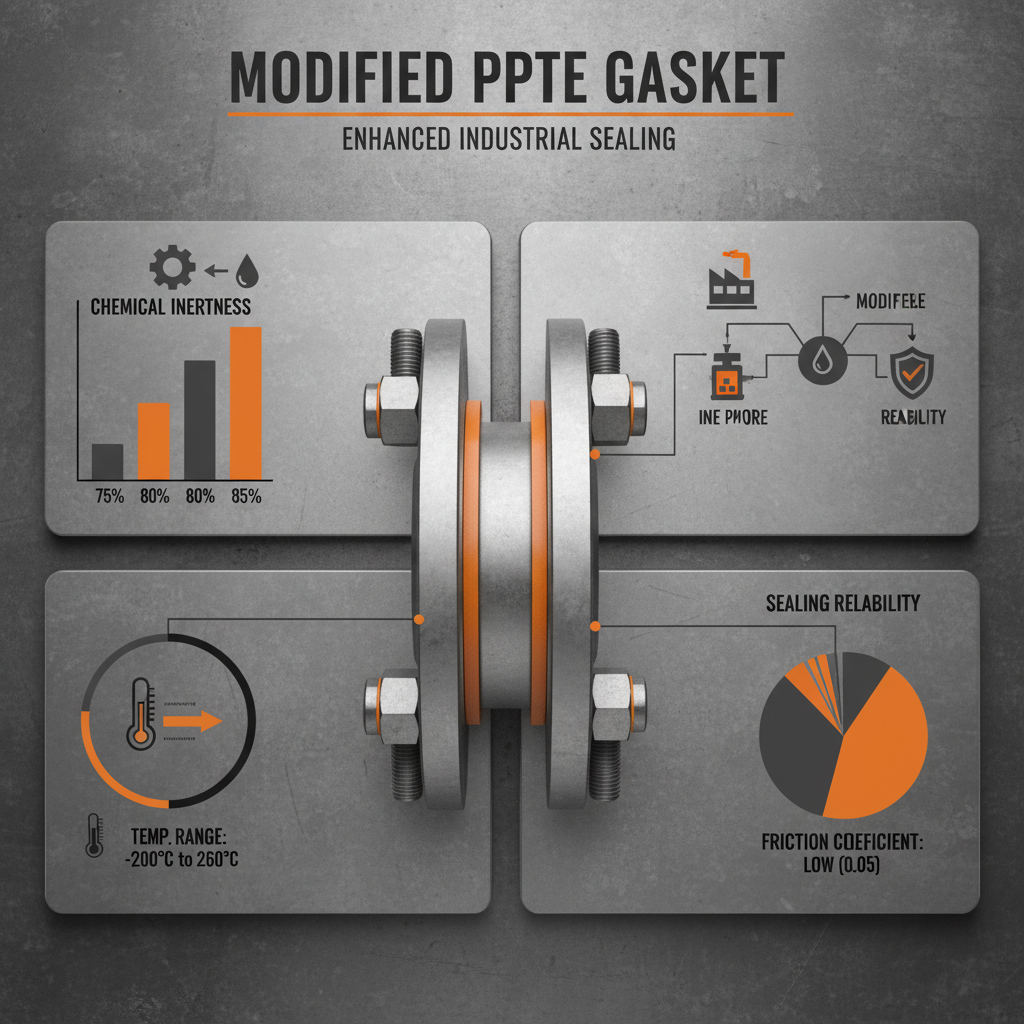
Modified PTFE gaskets generally perform well in a wide temperature range, typically from -200°C (-328°F) to +260°C (+500°F). However, the specific temperature limit can vary depending on the filler material used. For example, carbon-filled PTFE can withstand higher temperatures than glass-filled PTFE. It's crucial to consult the manufacturer's specifications to ensure the gasket is suitable for the intended operating temperature. Exposure to extremely high temperatures over extended periods can degrade the PTFE material and compromise its sealing performance.
How does creep affect PTFE gasket performance?
Creep, the tendency of a material to deform under sustained load, is a significant concern with standard PTFE. Over time, creep can cause the gasket to thin and lose its compressive force, leading to leaks. Modified PTFE gaskets address this issue by incorporating fillers that significantly reduce creep. The fillers provide structural support, preventing the PTFE from deforming under pressure. The amount of creep reduction varies depending on the type and percentage of filler used. Choosing a gasket with an appropriate filler content is essential for applications requiring long-term sealing performance.
Are modified PTFE gaskets suitable for food and beverage applications?
Yes, modified PTFE gaskets can be suitable for food and beverage applications, provided they are manufactured using FDA-compliant materials. It's essential to verify that the filler material and any other additives are approved for contact with food products. Glass-filled PTFE and certain carbon-filled PTFE formulations are commonly used in these applications due to their chemical inertness and low extractables. However, always check the manufacturer's documentation to ensure compliance with relevant food safety regulations.
What is the recommended bolt load for modified PTFE gaskets?
The recommended bolt load for modified PTFE gaskets is crucial for achieving a proper seal. PTFE is a soft material and requires sufficient compressive force to conform to the flange surfaces and prevent leaks. However, excessive bolt load can cause the gasket to overcompress and deform, reducing its effectiveness. The optimal bolt load depends on factors such as the gasket thickness, flange diameter, and flange surface finish. Consult the gasket manufacturer's specifications or a sealing expert to determine the appropriate bolt load for your application.