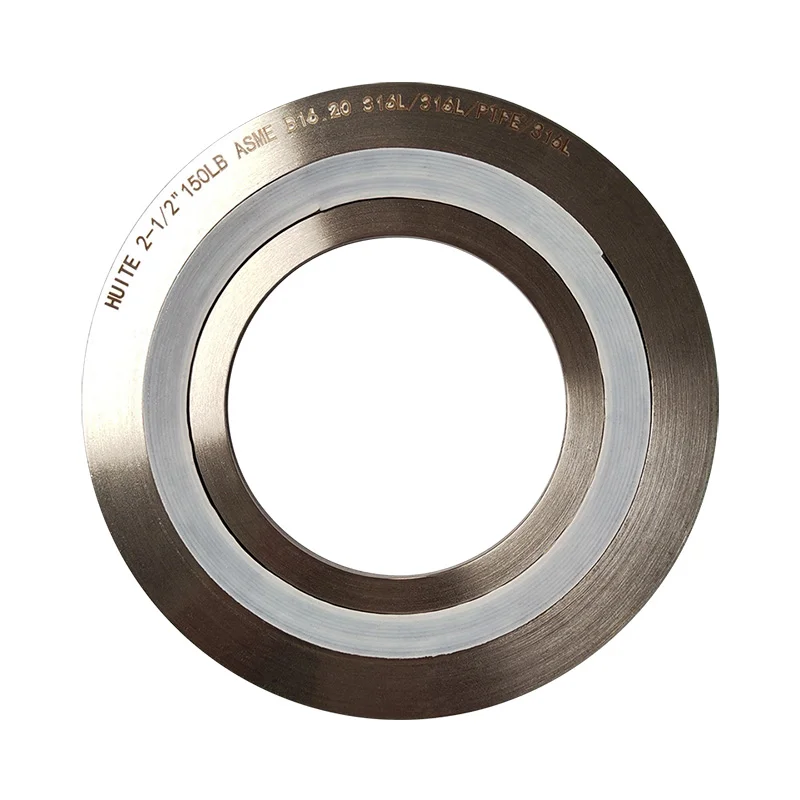
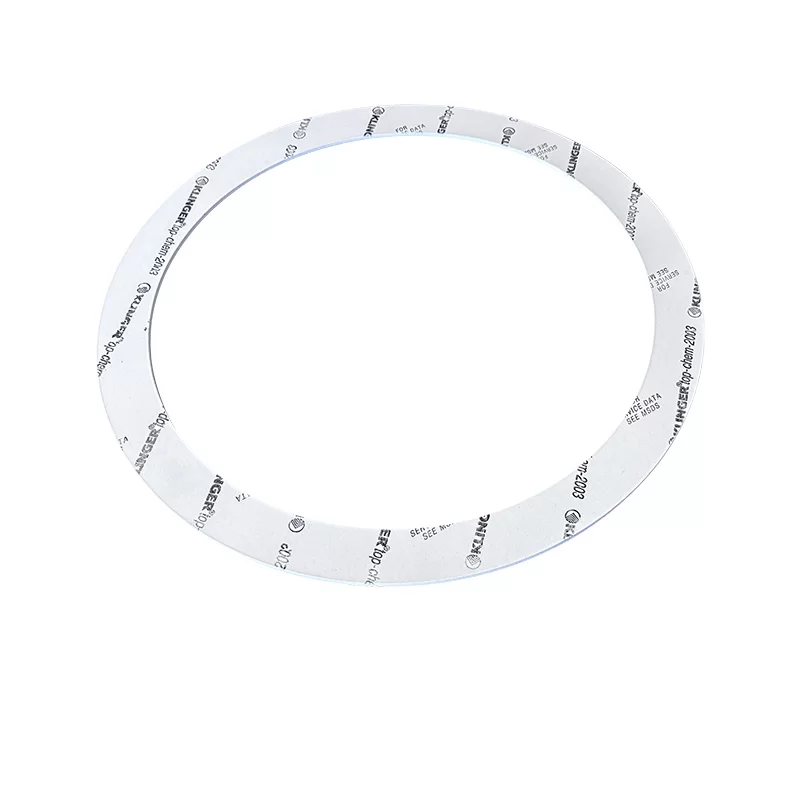
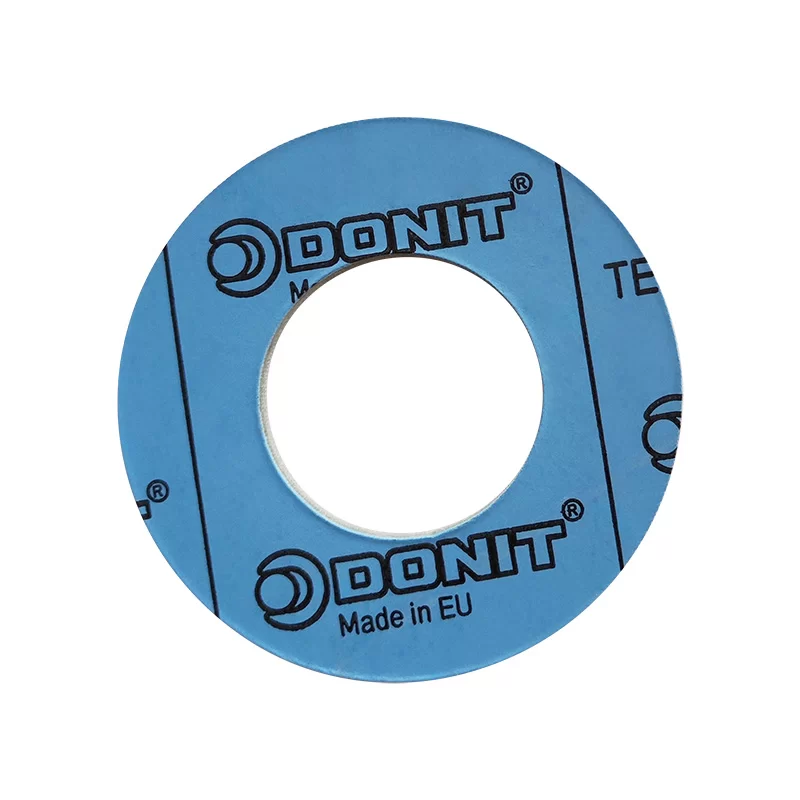
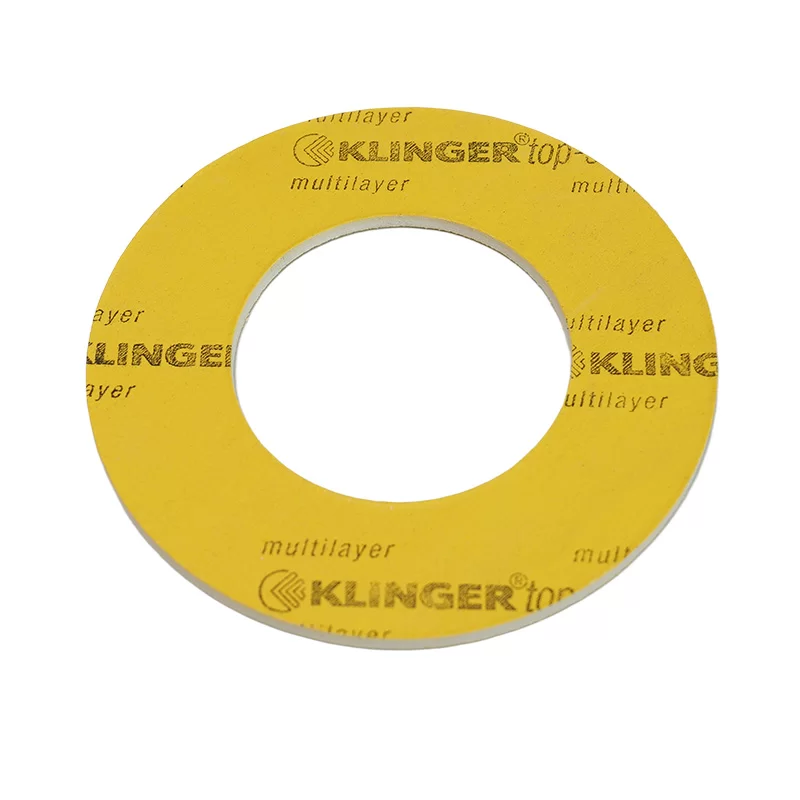
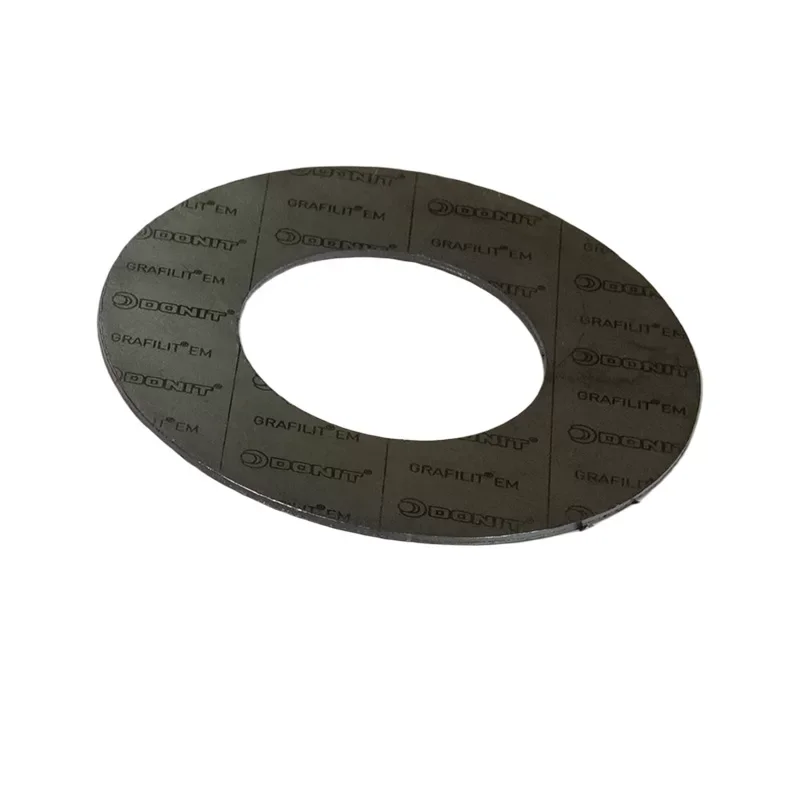
Choosing the Right Insulation Gasket Kit: A Comprehensive Guide
Selecting the optimal insulation gasket kit is crucial for maintaining the efficiency and longevity of your systems. These kits are designed to prevent leaks, minimize energy loss, and ensure reliable performance in various applications. This article will explore the key considerations when choosing an insulation gasket kit, covering materials, applications, and common challenges. Understanding these aspects will help you make an informed decision that safeguards your investments and maximizes operational effectiveness. Proper gasket selection translates directly into cost savings and improved system integrity.
Understanding the Importance of Insulation Gasket Kits
An insulation gasket kit plays a vital role in sealing joints and connections in insulated systems. They prevent the ingress of moisture, air, and other contaminants, maintaining the thermal performance of the insulation. This is especially important in applications such as HVAC systems, refrigeration units, and pipelines where maintaining a consistent temperature is paramount. Without effective gaskets, systems can suffer from energy loss, corrosion, and reduced lifespan. A well-chosen insulation gasket kit is a small investment that yields significant long-term benefits.
Key Benefits: Preventing leaks, minimizing energy loss, ensuring reliable performance, and protecting systems from corrosion.
Common Materials Used in Insulation Gasket Kits
Various materials are employed in the construction of insulation gasket kits, each offering unique properties suited to specific applications. Rubber (EPDM, neoprene, silicone) is widely used for its flexibility and sealing capabilities. Foam gaskets provide cushioning and conform to irregular surfaces. Fiberglass gaskets offer excellent thermal resistance. The choice of material depends on factors such as temperature, pressure, chemical exposure, and the type of insulation being used. Selecting the right material is essential for ensuring long-term performance and preventing premature failure.
Material Properties:
• Rubber: Flexibility, sealing, wide temperature range.
• Foam: Cushioning, conforms to irregular surfaces.
• Fiberglass: Excellent thermal resistance.
Comparing Insulation Gasket Kit Materials
Understanding the strengths and weaknesses of different materials is key to choosing the optimal insulation gasket kit for your needs. Here's a comparison to help you make an informed decision:
| Material |
Temperature Resistance |
Chemical Resistance |
Cost |
| EPDM Rubber |
-50°C to +150°C |
Excellent |
Low |
| Neoprene Rubber |
-40°C to +100°C |
Good |
Medium |
| Silicone Rubber |
-60°C to +200°C |
Excellent |
High |
Selecting the Right Insulation Gasket Kit for Your Application
The application dictates the required properties of the insulation gasket kit. For high-temperature environments, silicone rubber is often the best choice. For applications involving exposure to oils and fuels, neoprene rubber provides excellent resistance. For outdoor applications, EPDM rubber offers superior UV and weather resistance. Consider the pressure requirements as well; some materials are better suited for high-pressure systems than others. Careful evaluation of these factors will ensure you select a kit that delivers optimal performance and longevity. You can find detailed specifications and guidance on selecting the correct kit on our website.
Factors Influencing Insulation Gasket Kit Longevity
Several factors can affect the lifespan of an insulation gasket kit. Exposure to extreme temperatures, harsh chemicals, and UV radiation can degrade the material over time. Improper installation can also lead to premature failure. Regular inspection and maintenance are crucial for identifying and addressing potential issues before they escalate. Replacing gaskets proactively, rather than waiting for leaks to develop, can save you significant costs in the long run.
Conclusion: Investing in Quality Insulation Gasket Kits
Choosing the right insulation gasket kit is a critical investment in the longevity and efficiency of your systems. By considering factors such as material properties, application requirements, and environmental conditions, you can ensure optimal performance and minimize costly repairs. GZHTMF provides a wide range of high-quality insulation gasket kits designed to meet your specific needs. Don't compromise on quality – choose a solution that protects your investment and delivers lasting results.
Frequently Asked Questions (FAQs)
What is the typical lifespan of an insulation gasket kit?
The lifespan of an insulation gasket kit varies depending on the operating environment and the material used. Generally, rubber gaskets can last between 3 to 7 years, while silicone gaskets may last longer, up to 10 years or more. Factors such as temperature extremes, chemical exposure, and mechanical stress can shorten the lifespan. Regular inspection and replacement based on observed wear and tear are crucial for maintaining system integrity. GZHTMF recommends annual inspections and replacement as needed, based on operating conditions.
How do I properly install an insulation gasket kit?
Proper installation is crucial for ensuring the effectiveness of an insulation gasket kit. Surfaces must be clean, dry, and free from debris. Apply a thin, even layer of appropriate sealant to the mating surfaces before installing the gasket. Ensure the gasket is properly aligned and compressed evenly. Avoid over-tightening fasteners, as this can damage the gasket. Refer to the manufacturer’s instructions for specific guidance. GZHTMF provides detailed installation guides with each kit.
What are the signs that an insulation gasket needs to be replaced?
Several signs indicate that an insulation gasket kit needs to be replaced. These include visible cracks, tears, or deformation of the gasket material, leaks, reduced system efficiency, and increased energy consumption. If you notice any of these signs, it's essential to inspect the gasket and replace it promptly. Ignoring these warning signs can lead to more significant problems and costly repairs. You can explore various solutions for insulation gasket kits on our website.