Selecting the correct sealing material in high-pressure industrial environments is often the difference between operational continuity and costly unplanned downtime. The Klingersil C-4430 gasket represents a critical intersection of material science and mechanical reliability, designed specifically for those challenging interfaces where standard non-asbestos sheets fail.
In the realm of rubber and plastic product manufacturing, specifically for high-performance sealing parts, the demand for chemical resistance and thermal stability has led to the adoption of advanced composite materials. This specific grade of gasket is engineered to handle a diverse array of aggressive media, ensuring that leak-proof performance is maintained under fluctuating pressures.
Understanding the technical nuances of this material is essential for procurement managers and maintenance engineers who prioritize long-term asset integrity. By analyzing its composition and application boundaries, operators can optimize their sealing strategies across chemical, petrochemical, and power generation sectors.

Technical Composition and Material Science of C-4430

The Klingersil C-4430 is not a simple rubber compound but a sophisticated non-asbestos fiber composite. It is engineered by combining high-grade synthetic fibers with a specialized binder system, creating a matrix that offers exceptional resistance to both compression set and chemical degradation.
This structural integrity is what allows the gasket to maintain a tight seal even when subjected to thermal cycling. Unlike basic PTFE or rubber gaskets, the reinforced fiber structure prevents "creep" or the gradual thinning of the material under constant load, which is the primary cause of seepage in flange joints.
From a manufacturing perspective, the precision of the fiber distribution ensures that the gasket's physical properties are uniform across the entire sheet. This consistency is vital for large-diameter flanges where any local variation in density could lead to a point of failure.
Key Performance Drivers for High-Pressure Sealing
Reliability in industrial sealing is measured by a material's ability to resist blowout and permeability. The C-4430 grade excels in these areas due to its high density and the superior bonding between the fibers and the elastomer matrix.
Chemical compatibility is another critical driver. This material is designed to withstand a broad spectrum of organic and inorganic solvents, making it an ideal choice for environments where aggressive chemicals might otherwise dissolve the sealing element.
Furthermore, the material's low permeability ensures that hazardous gases or liquids do not migrate through the gasket wall, providing an essential layer of safety for personnel and the environment in chemical processing plants.
Critical Application Scenarios in Heavy Industry
In shipbuilding and marine engineering, the corrosive nature of salt spray combined with high-pressure steam lines requires gaskets that do not succumb to oxidation or moisture-induced swelling. The C-4430 grade is frequently employed in these environments for valve and pump sealing.
Within the oil and gas sector, specifically in downstream refining, the material is used in flange joints that handle hydrocarbons. Its ability to remain stable under pressure prevents the hazardous leaks that often plague less robust non-asbestos materials.
Power generation plants also rely on these gaskets for cooling water systems and auxiliary steam lines. The consistency of the seal reduces the frequency of maintenance shutdowns, which is a key KPI for plant efficiency and ROI.
Comparative Performance Benchmarks Against Standard Grades
When comparing the C-4430 to generic non-asbestos gaskets, the difference becomes evident in the pressure-temperature curve. While standard grades may soften at elevated temperatures, the C-4430 maintains its modulus of elasticity.
The following data illustrates the relative efficiency in sealing stability, chemical resistance, and longevity compared to industry-standard non-reinforced sheets.
Klingersil C-4430 gasket Performance Metrics
As indicated by the metrics, the enhanced fiber matrix provides a significant uplift in durability. This reduction in degradation rate directly translates to longer intervals between gasket replacements, lowering the total cost of ownership.
Installation Best Practices for Leak-Proof Integrity
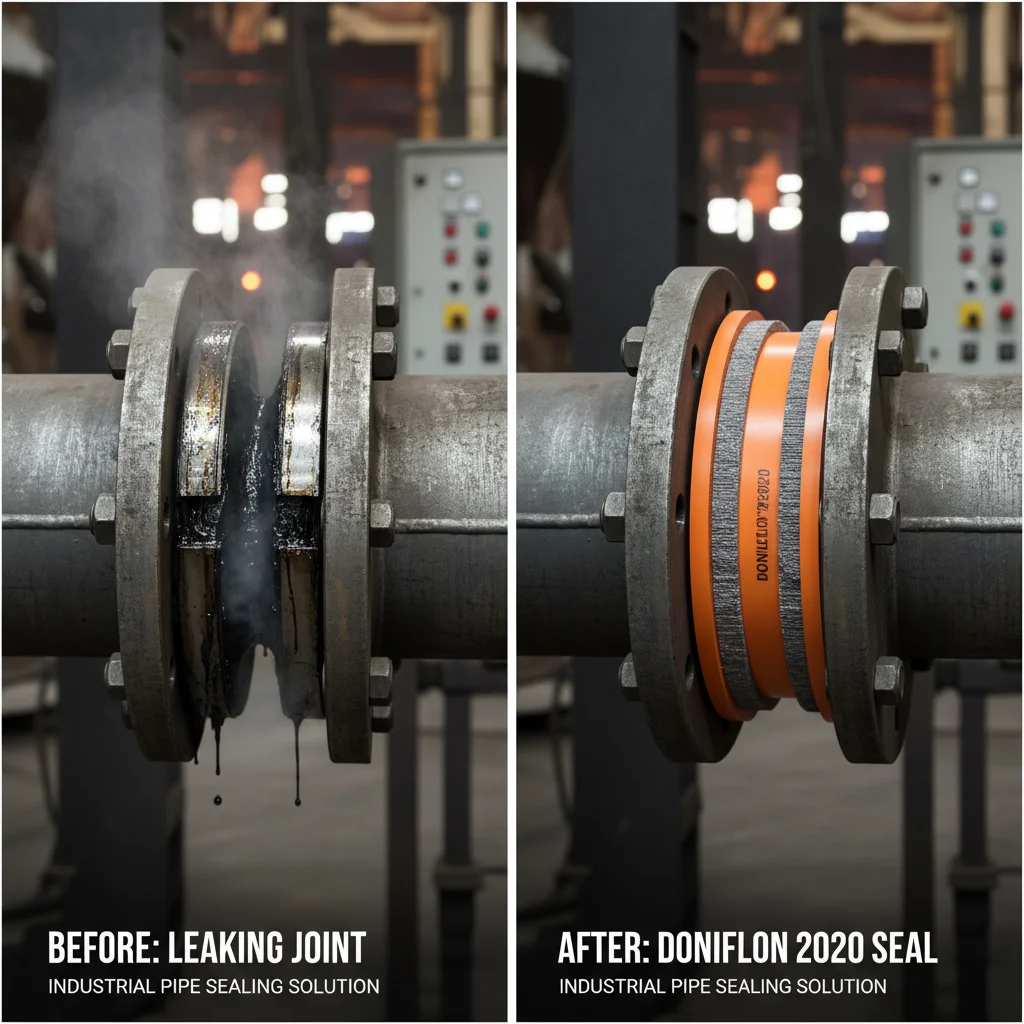
The highest quality material will fail if the installation process is flawed. For C-4430 gaskets, ensuring a clean flange surface is the first step. Any scratches or pits in the flange face can create leak paths that the gasket cannot bridge.
We recommend using a calibrated torque wrench and following a star-pattern tightening sequence. This ensures that the gasket is compressed evenly across the entire surface, preventing uneven stress distributions that could lead to premature failure.
Additionally, avoiding the reuse of gaskets is mandatory. Once a C-4430 gasket has been compressed, it has undergone permanent deformation to fit the specific contours of the flange; attempting to reuse it will almost certainly result in a failure to seal.
Future Material Trends in Non-Asbestos Sealing
The industry is moving toward "smart sealing" and even more environmentally sustainable materials. We are likely to see a shift toward bio-based binders that maintain the high-temperature performance of the C-4430 while reducing the carbon footprint of manufacturing.
There is also a growing trend toward hybrid sealing solutions, where non-asbestos sheets are combined with PTFE coatings to improve the initial "seat" of the gasket. This could potentially lower the required bolt load, reducing stress on the flange bolts.
As AI-driven predictive maintenance becomes standard, the focus will shift from simply replacing gaskets on a schedule to replacing them based on real-time degradation data, emphasizing the need for materials with highly predictable wear patterns.
Strategic Selection Guide for Procurement Officers
When selecting a sealing solution, procurement officers must look beyond the unit price. The total cost includes the frequency of replacement, the cost of downtime, and the potential risk of leaks.
The following table compares different sealing approaches based on operational conditions to help determine when the C-4430 is the optimal choice compared to other options.
| Operating Condition | Standard Rubber | Pure PTFE | C-4430 Composite |
|---|---|---|---|
| Low Temp / Low Pressure | Optimal / Cheap | Overkill | Effective but Costly |
| High Temp / Steam | Failure Risk | Moderate | Highly Stable |
| Aggressive Chemicals | Poor Resistance | Excellent | Very Good |
| High Pressure Flanges | Blowout Risk | Creep Risk | Maximum Integrity |
| Frequent Cycling | Fast Wear | Moderate Wear | High Durability |
| Critical Safety Areas | Not Recommended | Recommended | Highly Recommended |
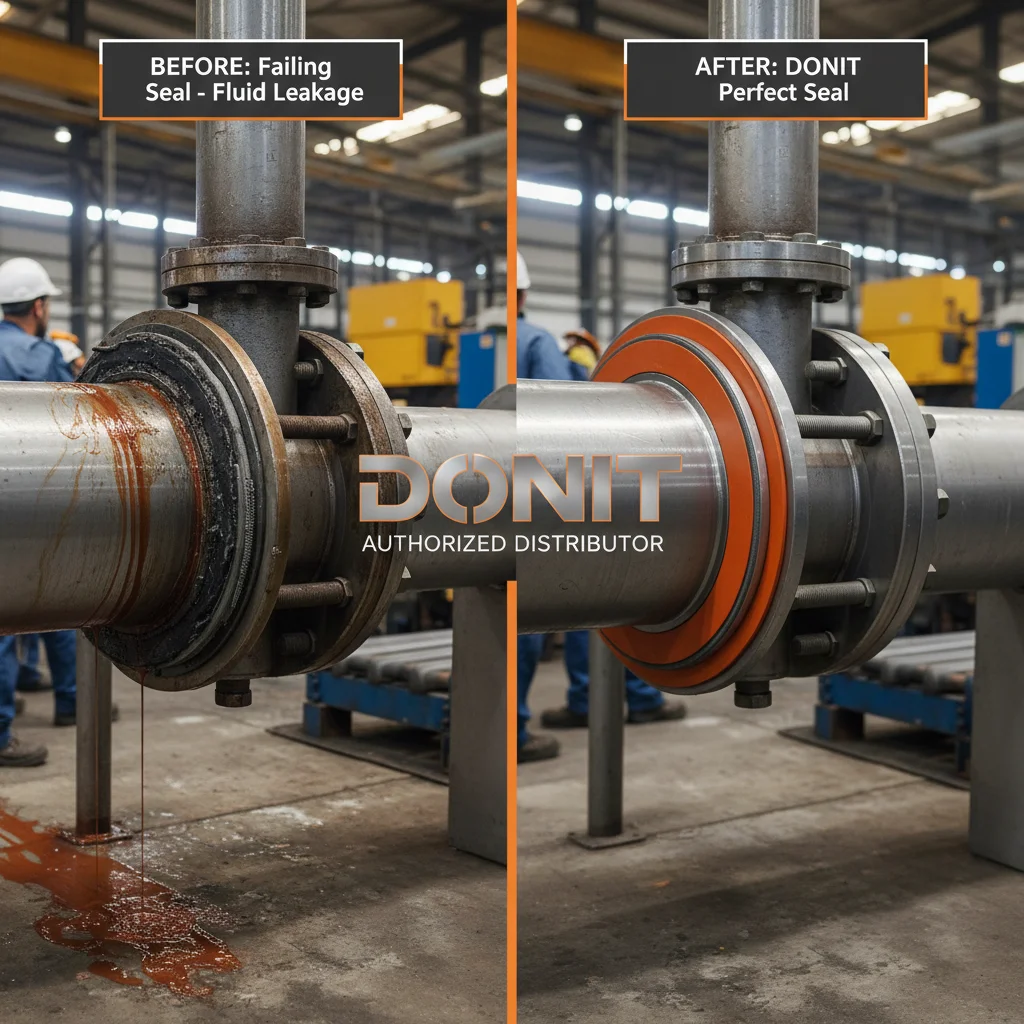
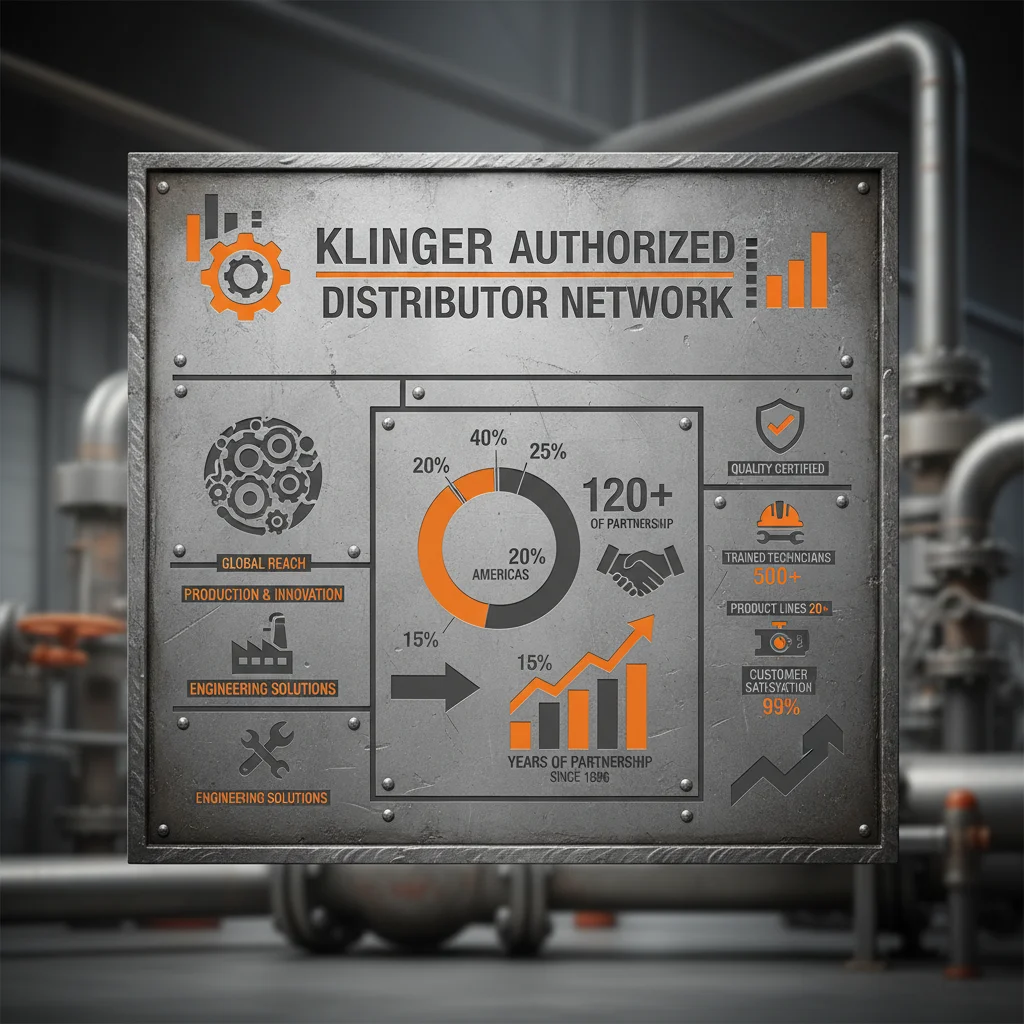
For those requiring genuine materials, sourcing from authorized distributors ensures that the gaskets are manufactured from authentic KLINGER or DONIT sheets. This authenticity is the only way to guarantee the technical parameters listed in the manufacturer's data sheets.
Frequently Asked Questions
Conclusion
The transition to high-grade composites like the Klingersil C-4430 reflects a broader industry shift toward reliability-centered maintenance. By investing in materials that offer superior thermal stability and chemical resistance, companies can significantly reduce their operational risk and maintenance overhead.
For professionals evaluating sealing solutions for their specific project requirements, detailed product specifications and corporate capabilities are available through www.gzhtmf.com.