Guangzhou Huite Sealing Machinery Co., Ltd.



0%
Finding a reliable gasket manufacturer is a critical decision for any industrial operation where fluid containment and pressure sealing are paramount. In the complex landscape of rubber and plastic parts manufacturing, the right sealing solution prevents catastrophic leaks, reduces unplanned downtime, and ensures that machinery operates at peak efficiency regardless of the environmental stressors.
The global demand for precision-engineered seals has surged as industries move toward higher pressures and more corrosive chemical environments. Whether it is for oil and gas extraction, pharmaceutical processing, or automotive assembly, the expertise of a specialized gasket manufacturer allows companies to transition from generic off-the-shelf parts to custom-engineered components that extend the lifecycle of expensive industrial assets.
Understanding the nuances of material science—from the resilience of PTFE to the thermal stability of reinforced graphite—is what separates a standard supplier from a strategic partner. By aligning with a professional gasket manufacturer, businesses can implement E-E-A-T (Experience, Expertise, Authoritativeness, and Trustworthiness) principles in their supply chain, ensuring every flange and joint is secured by a component designed for its specific operational reality.
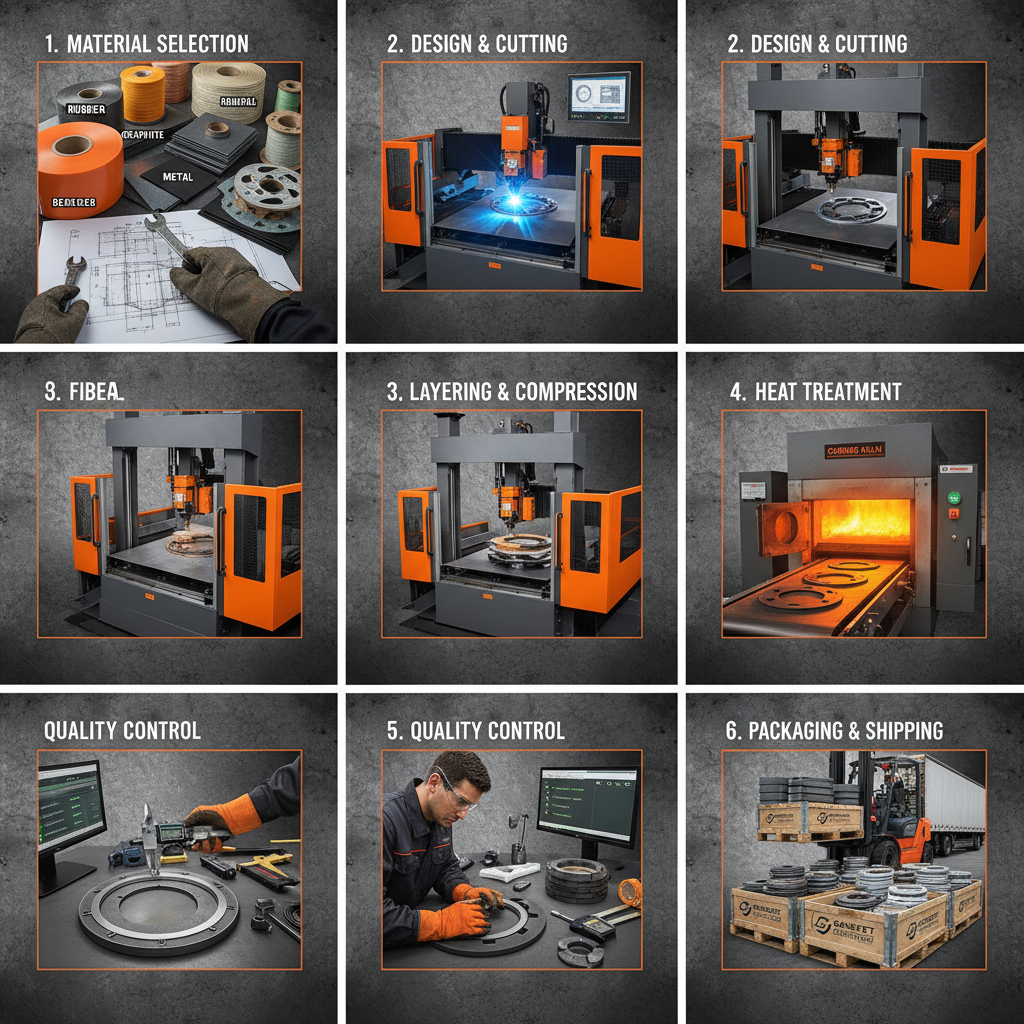
Table of Contents [Hide]
The Strategic Role of a Gasket Manufacturer in Modern Industry
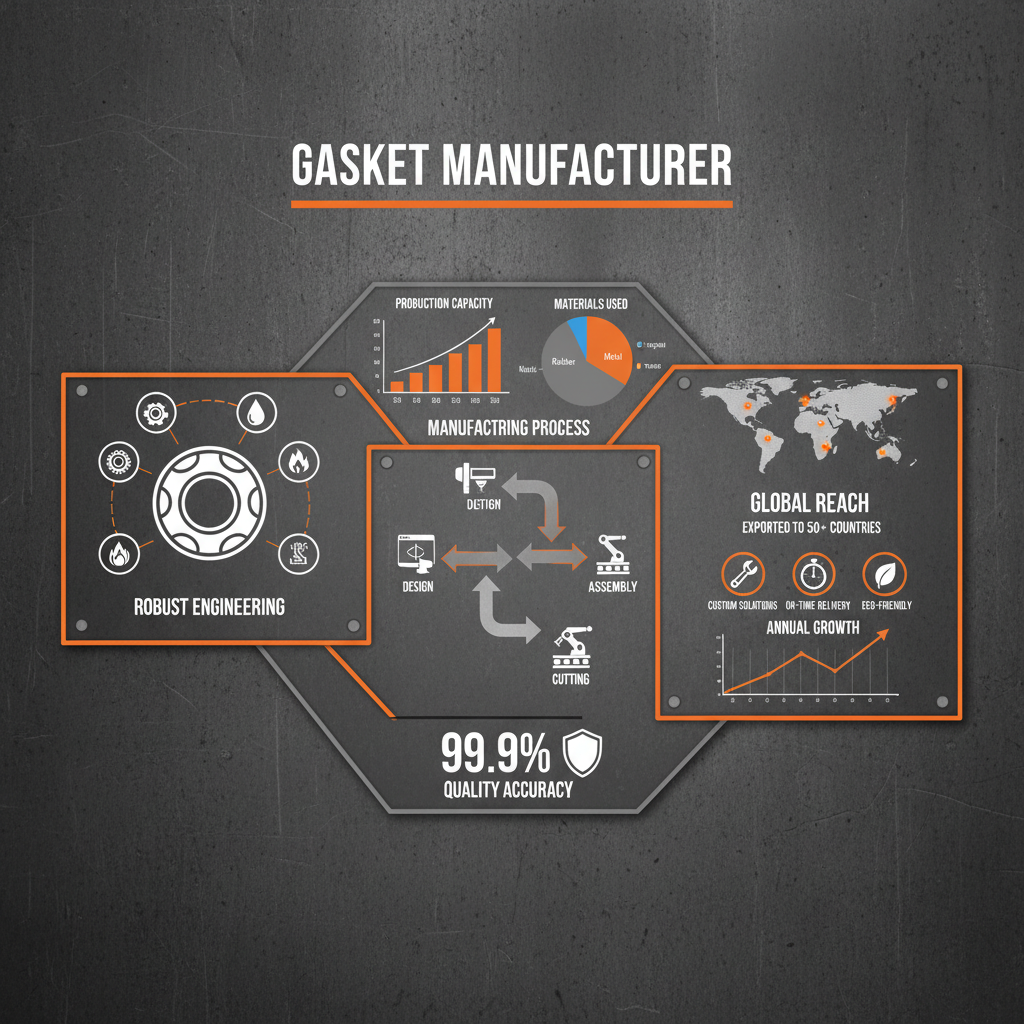
A specialized gasket manufacturer does more than just cut shapes out of rubber sheets; they provide the critical interface that maintains the structural integrity of pressurized systems. In an era where ISO standards and safety regulations are increasingly stringent, the ability to produce gaskets that meet exact tolerances is essential for preventing hazardous leaks and ensuring environmental compliance.
By integrating advanced CNC cutting and molding technologies, a professional manufacturer ensures that every Spiral Wound Gasket or PTFE seal is perfectly aligned with the flange specifications. This precision reduces the "bolt load" required to achieve a seal, thereby protecting the surrounding hardware from deformation and reducing the risk of catastrophic failure during high-pressure spikes.
FAQS
How do I choose the right gasket manufacturer for custom industrial parts?
Look for a manufacturer that offers comprehensive material consultancy and holds ISO certifications. A quality partner will ask for your specific temperature, pressure, and chemical exposure data before recommending a material like PTFE or Spiral Wound. Ensure they have a proven track record in your specific industry (e.g., petrochemical or pharmaceutical) to guarantee that the gaskets meet regulatory safety standards.
What is the difference between Non Asbestos Gaskets and traditional asbestos seals?
Traditional asbestos gaskets provided excellent heat resistance but posed severe health risks. A modern gasket manufacturer uses compressed aramid fibers, graphite, and synthetic rubbers to replicate those properties. Non-asbestos gaskets are safer for workers and the environment while maintaining the high-pressure sealing capabilities required for steam and oil applications.
Are Spiral Wound Gaskets better than flat gaskets for high-pressure systems?
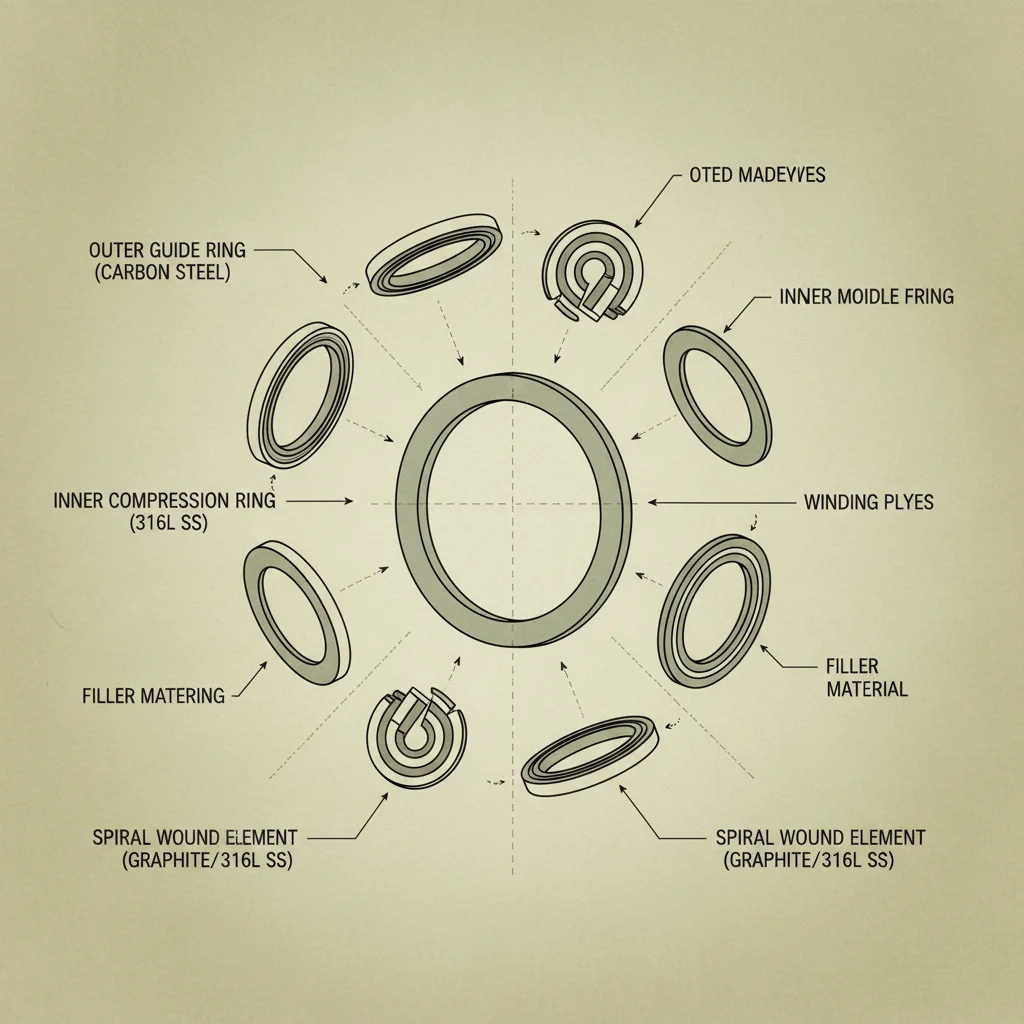
Yes, Spiral Wound Gaskets are generally superior for high-pressure and high-temperature environments. Their construction—a V-shaped metallic strip wound with a soft filler—creates a "spring" effect that maintains the seal even during thermal expansion and contraction. Flat gaskets may blow out or creep under the same conditions, making the spiral design the safer choice for critical piping.
How long do PTFE gaskets typically last in chemical environments?
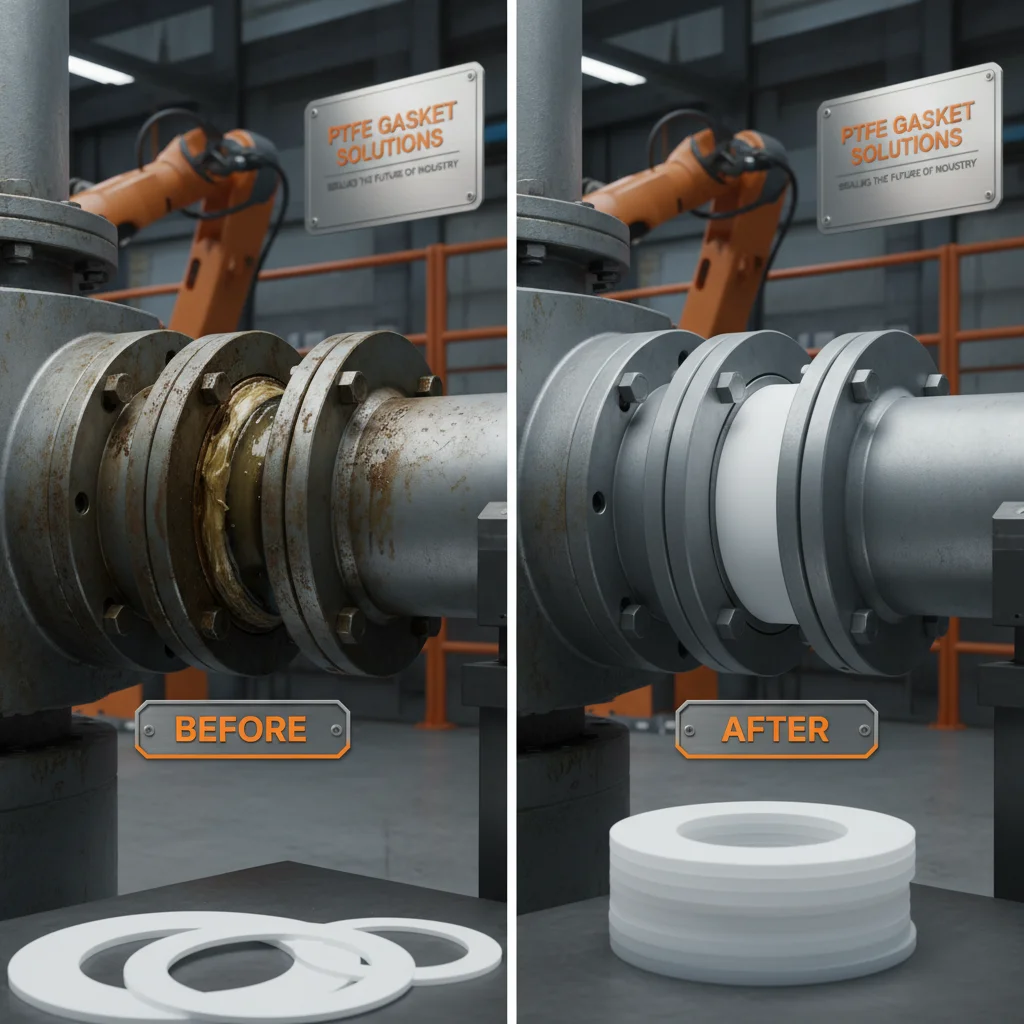
The lifespan of a PTFE gasket depends on the chemical concentration and temperature. However, due to its near-universal chemical inertness, it often outlasts other elastomers by years. To extend lifespan, a gasket manufacturer often suggests "filled PTFE" (with glass or carbon) to reduce the material's tendency to flow or "creep" under pressure.
Can I reuse a gasket after opening a flange for inspection?
In almost all professional industrial settings, the answer is no. Once a gasket is compressed, it undergoes permanent deformation to fill the flange irregularities. Reusing it means it will not provide the same sealing force, significantly increasing the risk of leaks. A reputable gasket manufacturer always recommends replacing the seal during every maintenance cycle.
What are Flange Insulation Gasket Kits used for?
These kits are designed to prevent galvanic corrosion. When two different metals are connected in a corrosive environment, an electrical current can flow between them, eating away the pipe. A gasket manufacturer provides kits that include an insulating gasket, sleeves, and washers to electrically isolate the flanges, protecting the infrastructure and extending the plant's operational life.
Conclusion
Selecting a competent gasket manufacturer is more than a procurement task; it is a critical risk management strategy. From the thermal resilience of reinforced graphite to the chemical stability of PTFE, the quality of these small components determines the safety and efficiency of the entire industrial ecosystem. By prioritizing material expertise, precision manufacturing, and strict adherence to global standards, companies can drastically reduce maintenance costs and eliminate the threat of hazardous leaks.
As we move toward an era of smarter, greener industrialization, the role of the sealing specialist will only grow in importance. Investing in high-performance sealing solutions today ensures that your operations are not only compliant with current safety laws but are also prepared for the higher pressures and more sustainable materials of tomorrow. For those seeking industry-leading precision and reliability, we invite you to partner with the experts. Visit our website: www.gzhtmf.com
Related Posts
-
Choosing the Right PTFE Gasket Manufacturer for Optimal Performance
-
Understanding API 6FB Spiral Wound Gasket Design and Practical Applications
-
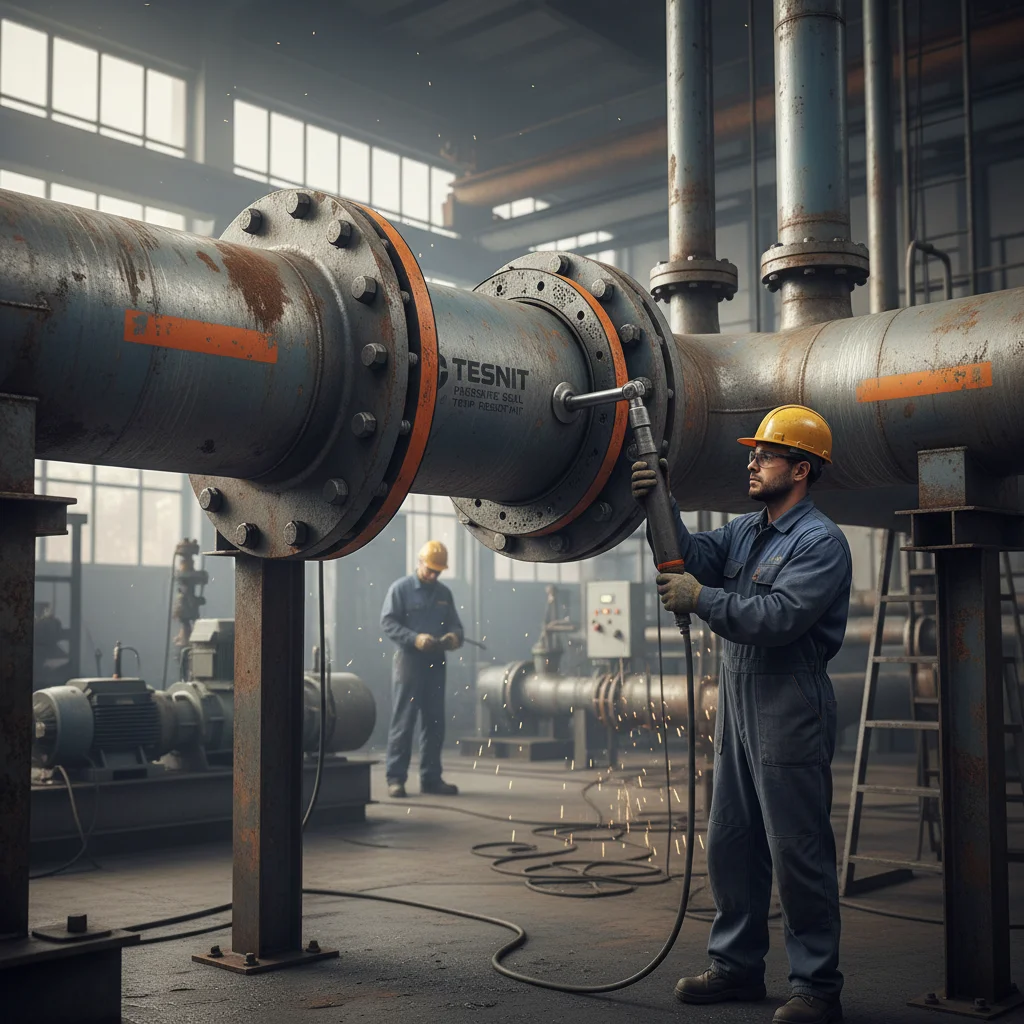
TESNIT BAGL Gasket Performance Applications and Industry Standards
-
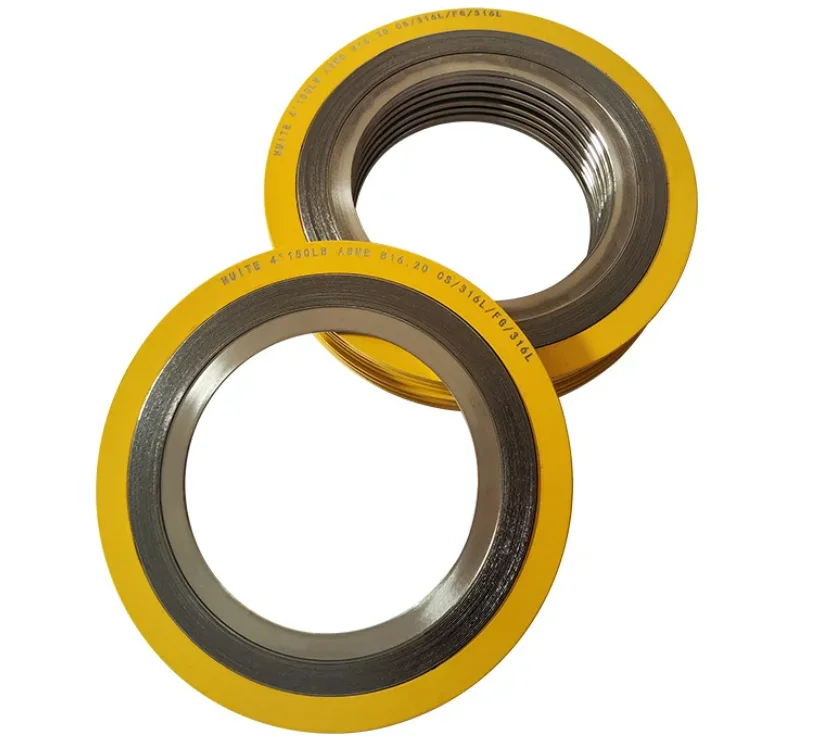
Fire Safe Spiral Wound Gaskets from a China Top Manufacturer for Offshore and LNG Applications
Updated:

Michael Johnson
Michael Johnson is a dedicated Sales Engineer at HUITE Sealing, focused on the Marine and Shipbuilding industries. He boasts 8 years of experience in technical sales, providing tailored gasket solutions for various vessel types and offshore platforms. Michael holds a strong understanding of marine regulations and requirements. He actively participates in industry trade shows and builds strong relationships with key clients, advocating for the benefits of our reinforced graphite and rubber gaskets. He prides himself on delivering exceptional customer service and rapid response times.


