Guangzhou Huite Sealing Machinery Co., Ltd.
Industrial Sealing Solutions Using Silica Modified PTFE Gasket
  • Home
  • News
  • Top Blog
  • Industrial Sealing Solutions Using Silica Modified PTFE Gasket
0%

Table of Contents

The industrial landscape of fluid handling and chemical processing demands materials that can withstand extreme aggression without compromising safety. A Silica Modified PTFE Gasket represents a critical evolution in sealing technology, combining the legendary chemical inertness of polytetrafluoroethylene (PTFE) with enhanced mechanical stability. By integrating silica fillers, these gaskets overcome the inherent limitations of pure PTFE, such as cold flow and creep, ensuring a tighter seal under higher pressure.

Globally, the shift toward high-precision manufacturing in the pharmaceutical, semiconductor, and petrochemical industries has amplified the need for gaskets that do not contaminate the media they seal. The Silica Modified PTFE Gasket provides a low-friction, non-reactive barrier that maintains its integrity even in the presence of caustic acids or volatile solvents, making it an indispensable component in modern piping systems.

Understanding the technical nuances of silica modification allows engineers to optimize maintenance cycles and reduce the risk of catastrophic leaks. Whether it is utilized in a complex Flange Insulation Gasket Kit or as a standalone seal, the adoption of this material leads to higher operational uptime and a significant reduction in environmental hazards caused by fluid leakage.
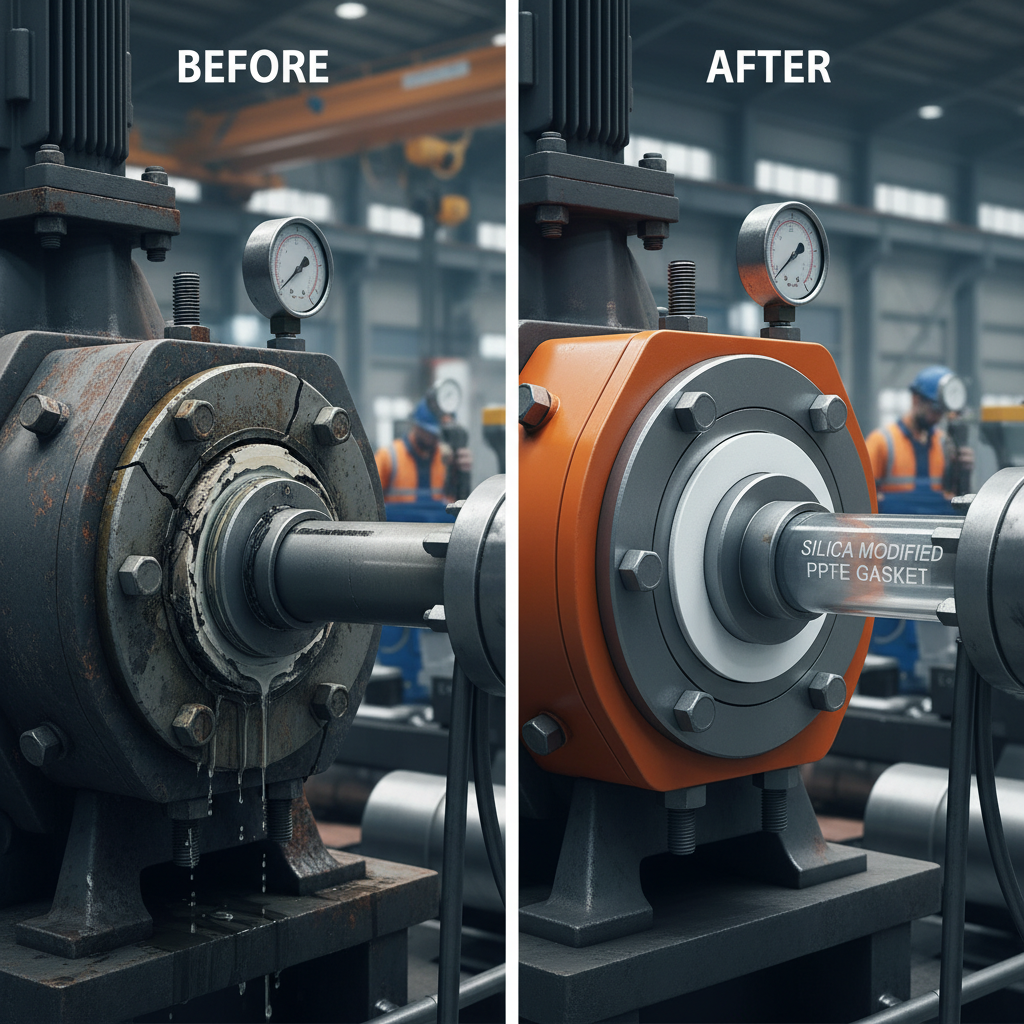
Silica Modified PTFE Gasket

Global Relevance of Silica Modified PTFE Gaskets
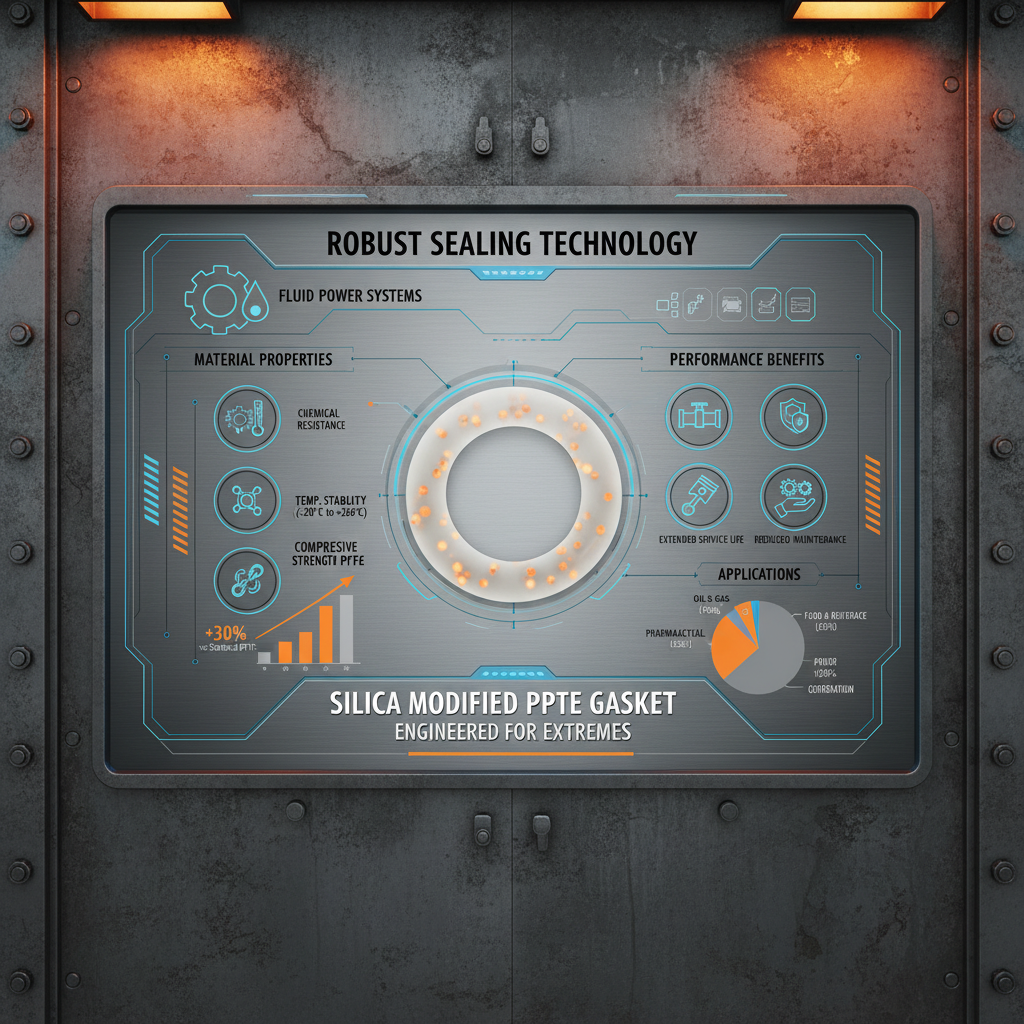
Silica Modified PTFE Gasket

In the current global industrial climate, the demand for high-performance sealing solutions is driven by stricter ISO environmental standards and the expansion of the global chemical market. Traditional gaskets often fail under the dual pressure of extreme temperature fluctuations and aggressive chemical exposure, leading to costly downtime. The Silica Modified PTFE Gasket has emerged as a global standard for those requiring a balance between the flexibility of plastics and the rigidity of reinforced composites.

Statistically, leakages in industrial flanges account for a significant percentage of unplanned maintenance costs worldwide. By implementing modified PTFE solutions, plants can reduce their leak rates and align with "Zero Leak" initiatives promoted by global safety organizations. This material isn't just a component; it is a safeguard for personnel and the environment in high-risk industrial zones.

Technical Definition and Industrial Meaning

At its core, a Silica Modified PTFE Gasket is a composite sealing element where virgin Polytetrafluoroethylene is blended with micronized silica particles. Pure PTFE is known for its "cold flow" property—the tendency of the material to slowly deform under a constant load—which often results in the loss of bolt tension and subsequent leaks. The addition of silica creates a structural matrix that anchors the PTFE molecules, drastically reducing creep and increasing the gasket's resistance to deformation.

In the context of modern industry, this modification translates to a "set-and-forget" reliability. While a standard PTFE Gasket might require frequent re-torquing of bolts, the silica-modified version maintains its sealing force over much longer intervals. This is particularly critical in automated factories where manual inspection is minimized and reliability is the primary KPI.

Furthermore, the silica modification does not compromise the chemical purity of the seal. It remains inert to almost all known chemicals, ensuring that the purity of the processed media—whether it be an ultra-pure pharmaceutical grade fluid or a corrosive acid—is preserved. This dual-functionality of mechanical strength and chemical purity defines its role in the high-end manufacturing sector.

Core Components of Performance Stability

The durability of a Silica Modified PTFE Gasket is primarily rooted in its modified molecular architecture. Unlike reinforced graphite or non-asbestos alternatives, the silica-PTFE bond ensures that the gasket can handle rapid thermal cycling without cracking or losing its elasticity.

Another critical factor is the "Creep Resistance" provided by the silica filler. In practical applications, this means the Silica Modified PTFE Gasket can withstand higher flange pressures, allowing for a more compact system design and reducing the total weight of the flange assemblies.

Finally, the cost-efficiency of these gaskets is realized through the extension of the Mean Time Between Failures (MTBF). By reducing the frequency of gasket replacements and the associated labor costs, companies can lower their total cost of ownership (TCO) while enhancing the safety profile of their operations.

Global Applications and Use Cases

The versatility of the Silica Modified PTFE Gasket allows it to be deployed across diverse geographical and industrial landscapes. In the petrochemical hubs of the Middle East and North America, these gaskets are widely used in heat exchangers and chemical reactors where they must resist sulfuric and nitric acids at elevated temperatures.

In more specialized sectors, such as the semiconductor industry in East Asia, the ultra-low leaching properties of silica-modified PTFE are used to prevent metallic or organic contamination in wafer fabrication pipelines. Additionally, in remote industrial zones where maintenance access is limited, the high reliability of these seals prevents costly emergency shutdowns.

Performance Comparison of Modified Sealing Solutions

Long-Term Value and Sustainability Advantages

Investing in a Silica Modified PTFE Gasket offers a tangible logical and emotional value. Logically, the reduction in leak-related waste and the extension of component life contribute directly to a plant's bottom line. From a sustainability perspective, minimizing leaks of hazardous chemicals prevents soil and water contamination, aligning corporate operations with ESG (Environmental, Social, and Governance) goals.

Beyond the numbers, there is the element of trust and safety. When operators know that their seals are made of a high-stability, modified fluoropolymer, the psychological stress associated with managing high-pressure volatile lines is reduced. This innovation represents a commitment to worker dignity and safety, ensuring that the people on the front lines are protected by the best materials science available.

Future Trends in Modified Fluoropolymers

The future of sealing technology is moving toward "smart" materials and even more precise modifications. We are seeing a trend where the Silica Modified PTFE Gasket is being paired with digital sensors to monitor real-time compression and leak detection. This integration of materials science and IoT (Internet of Things) allows for predictive maintenance, where a gasket is replaced only when the data indicates a loss of seal, rather than on a fixed calendar schedule.

Sustainability is also driving the development of bio-based fillers and more efficient PTFE synthesis methods. The goal is to maintain the exceptional performance of silica-modified PTFE while reducing the carbon footprint of its production. As green energy sectors like hydrogen fuel cells expand, the demand for gaskets that can handle the unique permeability challenges of hydrogen will likely lead to further refinements of modified PTFE structures.

Additionally, the industry is exploring the use of nano-silica to achieve even higher density and lower permeability. By manipulating the filler at the nanoscale, the next generation of Silica Modified PTFE Gasket will likely offer an even higher pressure rating, potentially replacing some metallic seals in extreme environments.

Overcoming Implementation Challenges

Despite its advantages, transitioning to a Silica Modified PTFE Gasket can present challenges, particularly regarding initial cost and installation training. Modified PTFE is generally more expensive than virgin PTFE or basic rubber gaskets. However, expert insight suggests that this cost should be viewed as an insurance premium against the far higher costs of unplanned leakage and emergency repairs.

Another common limitation is the incorrect application of torque. Because modified PTFE is stiffer than virgin PTFE, the torque values must be precisely calculated to avoid over-compressing the gasket or damaging the flange face. The solution lies in implementing standardized torque charts and using calibrated hydraulic tensioners to ensure a uniform seal.

Finally, some engineers hesitate due to a lack of familiarity with modified materials. The path forward involves comprehensive technical documentation and pilot testing in non-critical lines to demonstrate the material's superiority. By shifting the focus from "initial purchase price" to "lifecycle value," the barriers to adoption can be effectively removed.

Technical Analysis of Silica Modified PTFE Gasket Performance Metrics

Material Grade Creep Resistance (1-10) Chemical Inertness Max Temp Capability
Standard Virgin PTFE 4 Excellent 260°C
Silica Modified PTFE (Grade A) 9 Excellent 260°C
Glass Filled PTFE 7 Good 250°C
Carbon Filled PTFE 8 Excellent 260°C
Silica Modified PTFE (High Density) 10 Excellent 260°C
Non-Asbestos Fiber 6 Moderate 450°C

FAQS

What exactly is a Silica Modified PTFE Gasket and how does it differ from pure PTFE?

A Silica Modified PTFE Gasket is a composite material where pure PTFE is enhanced with silica fillers. While pure PTFE is highly chemical-resistant, it suffers from "cold flow" (deforming under pressure). The silica modification acts as a reinforcement, significantly reducing this deformation and ensuring the gasket maintains a tight seal over a longer period without needing frequent bolt tightening.

Can Silica Modified PTFE Gaskets be used in high-pressure steam applications?

Yes, they are well-suited for many high-pressure applications due to their enhanced mechanical strength. However, for extreme high-pressure steam, it is recommended to check the specific pressure rating of the gasket grade. Their ability to resist creep makes them far superior to virgin PTFE in these scenarios, though spiral wound gaskets may still be preferred for the most extreme pressures.

Are these gaskets compatible with strong acids and alkalis?

Absolutely. One of the primary reasons for choosing a Silica Modified PTFE Gasket is that it retains the near-universal chemical resistance of PTFE. It is inert to almost all aggressive chemicals, including concentrated sulfuric acid, caustic soda, and various organic solvents, making it ideal for the chemical processing industry.

Do I need to change my installation method when switching to silica-modified seals?

Yes, some adjustments are necessary. Because silica-modified PTFE is stiffer than virgin PTFE, you should follow specific torque guidelines. Over-tightening can lead to flange damage, while under-tightening may not fully seat the stiffer material. Using a calibrated torque wrench and referring to the manufacturer's torque chart is highly recommended.

How do Silica Modified PTFE Gaskets contribute to industrial sustainability?

They contribute by drastically reducing the frequency of leaks. By preventing the escape of hazardous chemicals into the atmosphere or soil, they help companies meet strict environmental regulations. Additionally, their longer service life means fewer gaskets are discarded into landfills, reducing the overall material waste of the plant.

Is it possible to custom-cut these gaskets for non-standard flange sizes?

Yes, Silica Modified PTFE sheets are highly machinable. They can be precision-cut using CNC machinery or die-cutting to match any custom flange specification, including complex inner diameters or multi-hole patterns, ensuring a perfect fit for any bespoke industrial installation.

Conclusion

The Silica Modified PTFE Gasket stands as a pivotal innovation in the rubber and plastic parts industry, solving the age-old problem of PTFE cold flow while preserving unmatched chemical inertness. By integrating mechanical stability with chemical purity, these gaskets provide an optimal solution for high-stakes environments in the petrochemical, pharmaceutical, and semiconductor sectors. The shift from standard seals to silica-modified versions represents a strategic move toward higher operational reliability, lower maintenance costs, and superior environmental safety.

As the industry moves toward smarter, greener, and more efficient manufacturing, the adoption of advanced materials will be the deciding factor in operational success. We suggest that plant managers and engineers conduct a lifecycle cost analysis to realize the long-term savings offered by these high-performance seals. Embracing this technology is not just about preventing leaks; it is about building a safer, more sustainable industrial future. Visit our website for more technical specifications: www.gzhtmf.com
Michael Johnson

Michael Johnson

Michael Johnson is a dedicated Sales Engineer at HUITE Sealing, focused on the Marine and Shipbuilding industries. He boasts 8 years of experience in technical sales, providing tailored gasket solutions for various vessel types and offshore platforms. Michael holds a strong understanding of marine regulations and requirements. He actively participates in industry trade shows and builds strong relationships with key clients, advocating for the benefits of our reinforced graphite and rubber gaskets. He prides himself on delivering exceptional customer service and rapid response times.
Previous Industrial Sealing Solutions with High Performance DONIT PTFE gasket
Next Reliable Gasket Manufacturer for Industrial Sealing Solutions

If you are interested in our products, you can choose to leave your information here, and we will be in touch with you shortly.